Sourcing Guide · How it works
Managing Multiple Product Categories Through One India Sourcing Partner
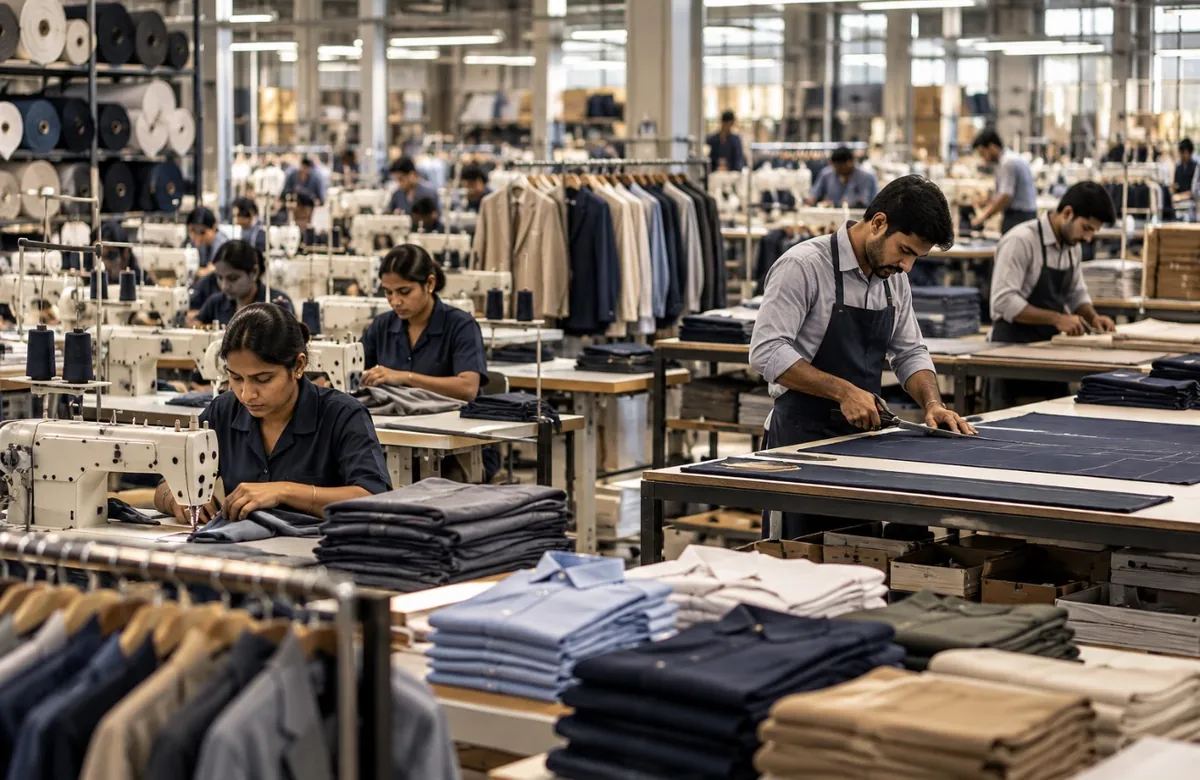
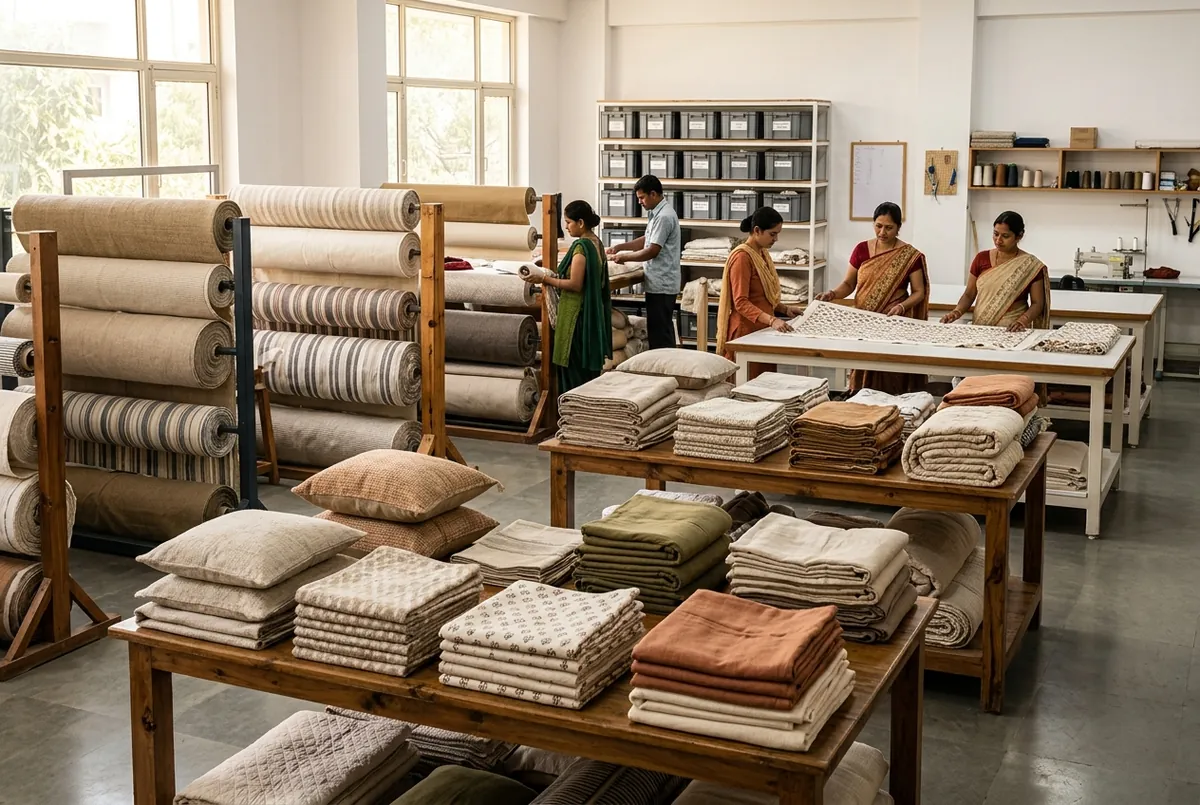
One buyer-side partner managing garments and home furnishing across different clusters.
01 · Overview
What this type of project involves
This guide explains how a multi-category sourcing project in India is typically structured when Sourcing India works on the buyer's side — from defining the requirement to shipment. It describes our method, not a specific client engagement.
- Garments sourcing
- Home furnishing sourcing
- One partner coordinating multiple clusters
- Consolidated quality control and communication
Buyers sourcing garments and home furnishings from India deal with different regions, factories and quality points. One partner who manages both keeps standards, communication and shipments joined up.
This guide explains how multi-category sourcing is organised.
What to specify
What to include in your brief
- Category list and range plan
- Quality standards per category
- Shared packaging and labelling rules
- Shipment and consolidation plan
- Reporting format
Category checks
Quality checks specific to this category
- Category-specific inspection checklists
- Shared AQL standards
- Packaging and label consistency
- Consolidated document checks
- Loading supervision
Cost & lead time
What drives cost and lead time
- Number of categories and factories
- Inspection days
- Consolidation and inland transport
- Testing per category
Avoid
Common mistakes to avoid
- Using one generic checklist for all categories
- Separate shipments when consolidation is possible
- No single point of contact
Practical notes
Practical notes for buyers
Garments and home textiles share some suppliers of fabric and trims but are made in different factories with different quality points. Treat each category as its own production stream, with its own checklist, while sharing calendars, reporting and shipping.
Align packaging and labelling across categories where possible. Shared carton marks, label formats and barcode rules reduce errors at the consolidation point.
Plan consolidation around the slowest category. If one category needs longer lead time, schedule its production first so all categories are ready for the same shipment.
Review performance by category. A partner managing several categories should report quality and delivery separately for each, so problems are not hidden in averages.
Use one point of contact for the buyer, with category specialists behind it, so decisions are quick and consistent.
02 · Where buyers struggle
Common challenges
- Finding manufacturers whose real capability matches the product, rather than trading companies
- Turning a reference or idea into a written specification factories can quote and sample against
- Keeping colour, size and finish consistent between the approved sample and bulk production
- Catching quality problems while they can still be corrected — not after the container ships
03 · Services involved
What Sourcing India does
04 · The process
Step by step
The requirement is defined, the relevant clusters are searched, factories are evaluated and verified, samples are developed and a golden sample is sealed. Quality and production are then controlled through to export.
06 · Quality control
Five checkpoints, not one inspection
Quality is controlled while the outcome can still change:
- 01Factory Audit
- 02Pre-Production
- 03During Production
- 04Pre-Shipment
- 05Loading
FAQ
Frequently asked questions
Can one partner manage garments and home textiles?
Yes, with category-specific checklists and a shared reporting and shipping plan.
Do categories ship together?
They can be consolidated when timing allows.
Is inspection different by category?
Yes. Each category has its own defects and tests.
Have a product you want to source from India?
Tell us what you want to build. A photo, reference product or tech pack is enough to start.
Related guides