01
Knitwear
Single jersey, interlock, rib, pique and fleece for t-shirts, polos, sweatshirts and loungewear — concentrated around Tiruppur.
Garments & Apparel · India sourcing
India is one of the world's largest apparel producers, with distinct clusters for knitwear, woven garments, denim and embellished fashion. As an India sourcing company working on the buyer's side, we help clothing brands, retailers and importers find the right garment manufacturer for a specific product, quality level and target market — not simply the cheapest quote.
Whether you need private label clothing, OEM production to your tech pack, or development of a garment you saw at a trade fair, we identify the correct manufacturing ecosystem, evaluate suppliers, develop samples and manage production and quality control through to the sailed container.
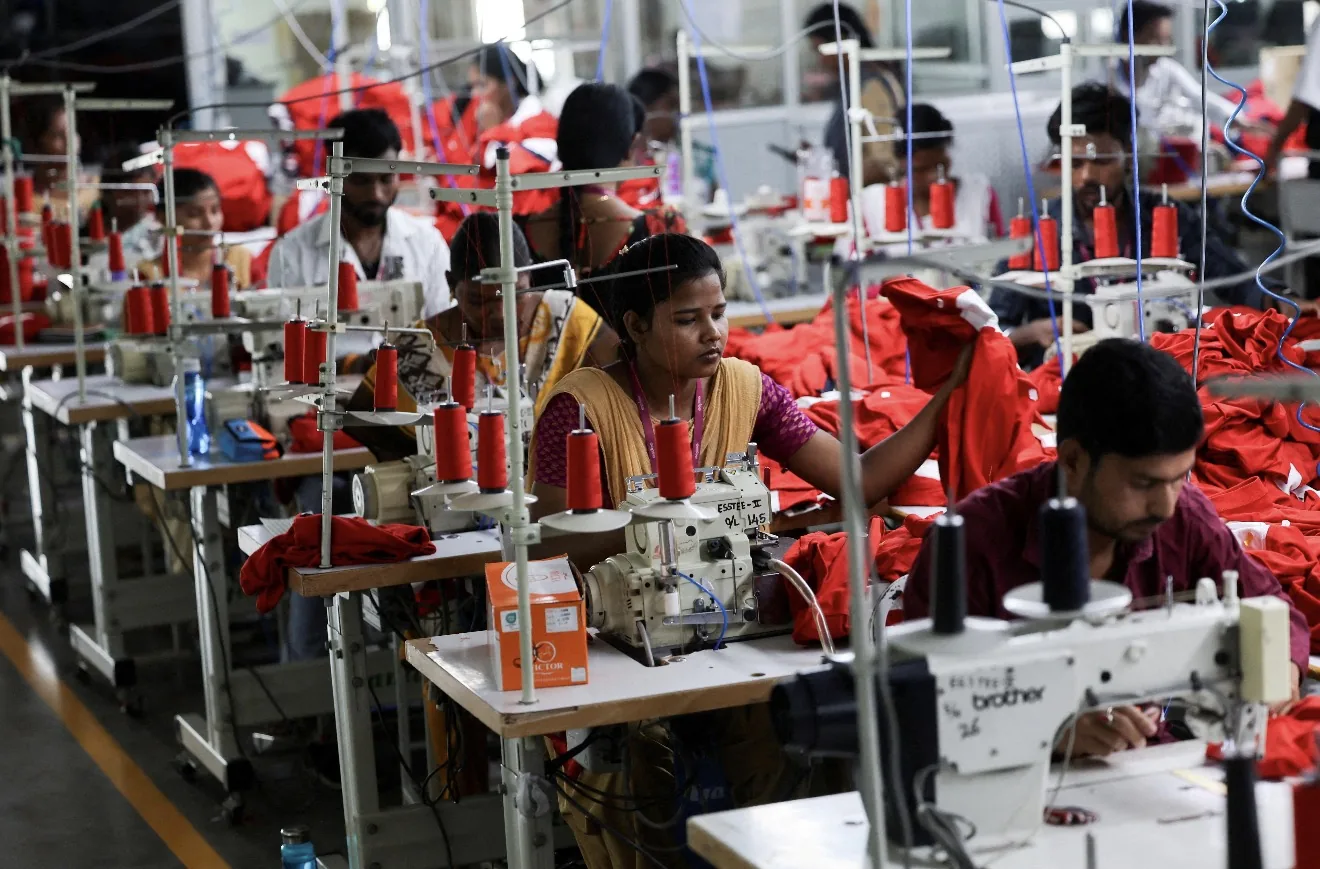
Single jersey, interlock, rib, pique and fleece for t-shirts, polos, sweatshirts and loungewear — concentrated around Tiruppur.
Shirts, dresses, trousers, kidswear and workwear in cotton, linen, viscose and blends across Delhi NCR, Bengaluru and Kolkata.
Jeans, jackets and washed denim programmes with in-house or partnered laundries.
Embroidery, print, hand-work and value-added womenswear from Jaipur, Delhi and surrounding units.
We translate your reference, sketch or tech pack into a manufacturable specification with fabric, GSM, trims and construction detail.
We shortlist factories whose real capability matches your product type, quality tier and order volume.
Fit, proto and pre-production samples are developed and approved before bulk begins.
In-line and final inspections (AQL-based) run during production, not only at the end.
Packing, documentation and logistics coordinated to your destination market's requirements.
MOQs vary by fabric and factory — knitwear programmes often start lower than complex woven or denim styles. We match your quantity to factories that genuinely want the order, and advise where combining colourways or styles helps you reach workable minimums.
We develop samples for approval before bulk, run AQL-based inspections during production, and manage packing, documentation and logistics to your destination market — giving you a single accountable partner from brief to shipment.
Knitted garments such as T-shirts, polos, sweatshirts and baby wear are made from single jersey, interlock, rib, pique and fleece. Woven garments such as shirts, dresses, trousers and workwear use poplin, twill, denim, voile, linen and blends. Indian mills supply cotton and cotton blends in depth, with growing capacity in recycled polyester and man-made cellulosic fibres.
Fabric can be yarn-dyed, piece-dyed or garment-dyed, then printed by screen, rotary, digital or hand block methods. Washes such as enzyme, stone and garment dyeing are common in denim and casualwear and must be controlled for shade and shrinkage.
Embroidery, appliqué, beading, smocking and hand finishing are Indian strengths, especially for womenswear, childrenswear and occasionwear. Hand work needs approved reference pieces because small variations are part of the product.
A typical garment order moves through fabric sourcing, lab dips, fit and size-set samples, pre-production approval, cutting, sewing, finishing and packing. Vertically integrated factories control knitting or weaving, dyeing and stitching under one group, which shortens lead times; other factories buy fabric from mills and focus on cut-make-trim.
Fibre-composition labels under the EU Textile Regulation and UK rules, FTC textile and care labelling in the US, and country-of-origin marking.
REACH restricted substances apply in the EU and UK; many buyers also ask for OEKO-TEX, GOTS, GRS or similar certificates, which must be held in the producing factory's name.
Retailers commonly require audits such as amfori BSCI, SMETA, WRAP or SA8000, and may ask for traceability of cotton origin.
Requirements change and depend on the product and destination, so confirm them with your compliance adviser or customs broker.
Importers and retailers usually get the best results by matching each product to the right region: knitwear to Tiruppur, woollens to Ludhiana, woven fashion to Delhi NCR, and printed apparel to Jaipur. Combining styles from different regions in one programme is common and can be consolidated for shipment.
Brands launching private-label collections should plan trims, labels and packaging alongside fabric, as they often decide the minimum order. Sustainable programmes should confirm the certification scope before sampling so the claims can be supported on the final product.
It depends on fabric and process. Stock fabrics allow smaller runs; dyed-to-order fabric usually has minimums per colour set by the mill or dye house.
Allow for fabric, sampling and approvals before bulk. Timelines vary by product, fabric and season, so we plan them per order.
Yes. We coordinate audits by recognised audit bodies and check that existing reports are current and cover the producing factory.
It depends on the product and factory. Simple knitwear can start at a few hundred pieces per style, while complex woven or washed denim styles carry higher minimums. We match your quantity to suppliers who are the right fit for that volume.
Yes. We manage both private label (your brand on an existing product) and OEM development from your tech pack, including custom fabric, trims, labels and packaging.
Yes. We coordinate fabric development or nomination, trims and accessories as part of product development and production management.
We work to the requirements of the destination market — USA, UK, Europe, Australia, Canada and the Middle East — covering the relevant testing, labelling and documentation per project.
Submit your product requirements
Share a photo, reference product or tech pack. We will identify suitable verified manufacturers and explain the next steps — no obligation.
Tell us what you are looking for. We will identify the relevant Indian manufacturing ecosystem and the next steps.