01
Supplier identification
We shortlist factories by product type, fabric, volume and compliance level, not by who answers first, and share their names and locations with you.
Global garment sourcing · India
India is one of the few garment-making countries that grows its own cotton, spins it, knits or weaves it, dyes and prints it, and sews it into finished garments, often within a few hundred kilometres. For buyers, that vertical depth means more control over fabric, better traceability and a wide choice of hand-work that is hard to find elsewhere.
Our team in India works from the factory floor up: identifying the right manufacturers for your product, verifying them in person, managing samples and production, and inspecting quality before you pay the balance.
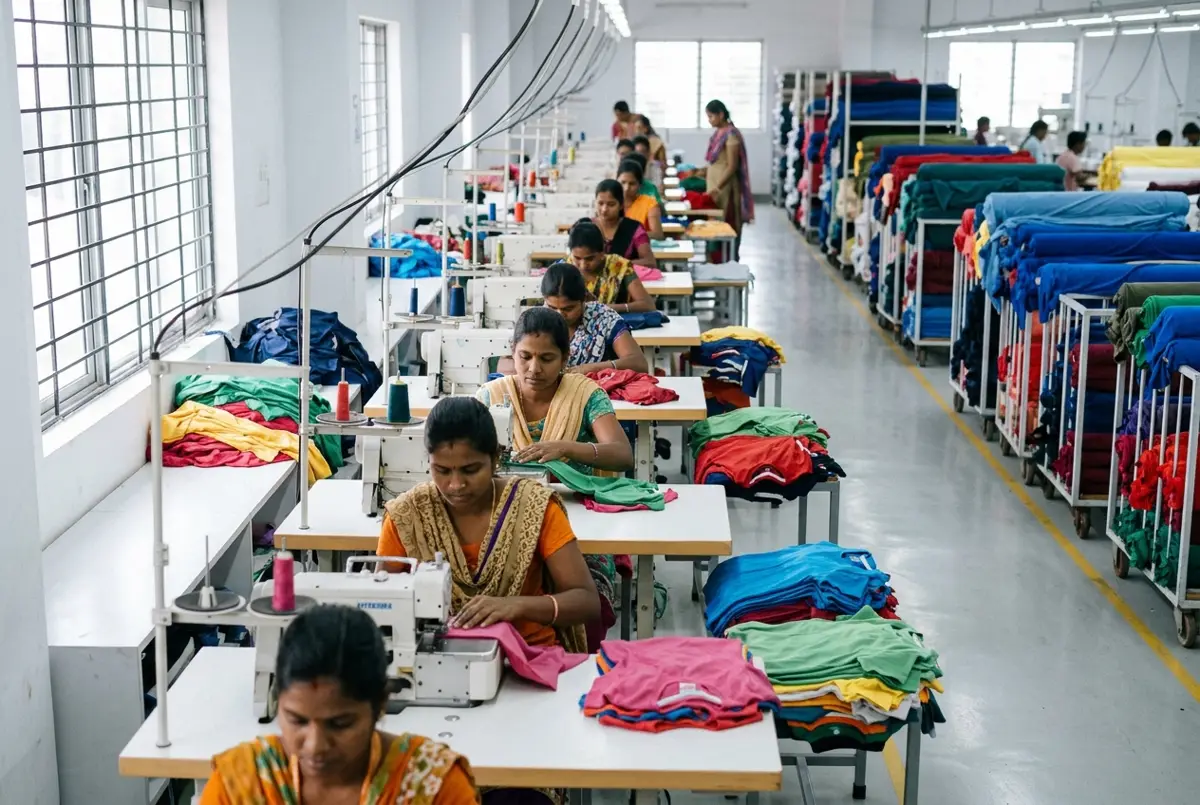
India's apparel industry ranges from vertically integrated knit groups with their own knitting, dyeing and printing units to small woven workshops that specialise in one technique. Buyers use India for three main reasons: cotton and natural-fibre fabrics produced at home, decorative techniques such as block printing, embroidery and beadwork, and a large base of factories experienced in organic and certified supply chains.
India is less commonly chosen for highly technical synthetic outerwear, seam-sealed rainwear or very high-volume single-style basics at the lowest possible price. For those, we often compare India with Vietnam, China or Bangladesh before recommending a route.
Fabric is India's biggest advantage. Cotton is grown, ginned and spun domestically, and many knit factories buy yarn and knit their own fabric, so GSM, shade and hand-feel can be developed to your brief rather than chosen from a stock catalogue. Organic and in-conversion cotton, BCI and recycled-content options are widely available, and Surat and the Mumbai region supply viscose, polyester and blends.
For wovens, buyers choose between mill-made fabrics with lab dips and strike-offs, or ready fabrics from traders for faster, smaller runs. We agree the fabric route at costing stage because it decides minimums and lead time more than any other factor.
We shortlist factories by product type, fabric, volume and compliance level, not by who answers first, and share their names and locations with you.
Our staff visit each shortlisted unit to check lines, machinery, in-house and job-work processes, and existing social and chemical audit reports.
We manage proto, fit, size-set and pre-production samples, track comments and seal the approved sample as the bulk reference.
We follow fabric in-house dates, cutting, sewing and finishing against a time and action plan, and flag delays early.
In-line and final AQL inspections with photo reports and measurement results before balance payment.
Packing, carton marks, documents and handover to your forwarder at the agreed Incoterm.
Indian factories usually start from your tech pack or a reference garment and produce a proto sample in their own sampling room. Knit units can develop custom GSM, yarn blends and washes, and print houses offer strike-offs for screen, digital and block prints. Hand embroidery and beadwork are sampled by artisans, so we photograph and seal the approved piece as the standard for every later batch.
We typically plan proto, fit, size-set and pre-production rounds, with lab dips and print strike-offs in parallel. Our team checks each sample against your measurement chart before it is couriered, which avoids paying for samples that would be rejected on arrival.
Most quality issues we prevent in India start in fabric and job-work: shade variation between dye lots, shrinkage and spirality in cotton knits, and print or embroidery done by an outside unit that was not part of the original approval. We include job-work units in our checks, use shade bands, and run in-line inspections as soon as the first bulk pieces are sewn.
Indian garment exporters commonly hold social audits such as SMETA, amfori BSCI or WRAP, and fibre or chemical certifications such as GOTS, OCS, GRS and OEKO-TEX. India has one of the world's largest bases of GOTS-certified facilities. We check every certificate for scope, site and validity, request transaction certificates for organic or recycled claims, and arrange tests through accredited labs when your market requires them.
Duty depends on your market: qualifying garments can claim reduced or zero duty in the UK under the UK–India CETA (in force since 15 July 2026), and in Australia and the UAE under their trade agreements with India. The EU–India FTA is concluded but not yet in force, and US imports from India carry an additional Section 301 duty. Always confirm the current rate for your HS code.
Minimums are set by fabric and process rather than by country. Knitwear made from yarn the factory knits and dyes itself usually needs a minimum quantity per colour so the dye batch is efficient; stock fabrics and greige-dyed basics allow smaller runs. Hand block printing and embroidery can suit smaller quantities because they are made by hand, but they take longer.
We will tell you honestly if your quantity is below what a good factory will accept, and suggest ways to reach a workable order, such as sharing a fabric across styles or reducing colours.
Indian lead times are driven by fabric. Garments cut from stock or greige-dyed fabric can move into production soon after approval of the pre-production sample, while yarn-dyed, custom-knitted or printed fabric needs its own development and bulk processing time first. Hand block printing and hand embroidery also depend on artisan availability.
Diwali, usually in October or November, is the most important holiday for factories: many workers travel home and output falls for one to three weeks. Monsoon rains can slow drying for hand-printed fabrics in some regions. We plan these into the time and action calendar rather than discovering them when a shipment is late.
The biggest cost elements are fabric (fibre, count or GSM, dyeing and finishing), the making cost (driven by construction complexity and standard minutes), embellishment, trims and packaging, and the factory's overheads and compliance costs. Organic certification, low minimums per colour and short lead times all add cost.
We cost every programme on a like-for-like basis across factories, so you can see why one quote differs from another rather than simply choosing the lowest number. We do not publish price lists, because a genuine price depends on your exact specification.
The lowest quote often hides lighter fabric, fewer stitches per inch or a cheaper job-work unit. Compare quotes on the same specification.
Printing, embroidery and washing are often outsourced. If those units are not checked, quality and compliance can slip.
Changing fabric after sampling restarts the development clock, especially for custom-dyed knits.
Orders planned across Diwali without buffer time frequently ship late.
A GOTS scope certificate alone does not prove your shipment is organic; transaction certificates do.
Duty and compliance depend on where you sell as much as where you make. These notes summarise the main points; always confirm the current rate and rules for your HS code.
Knitwear from Tiruppur usually ships through Tuticorin or Chennai; North Indian goods through Nhava Sheva, Mundra or by air from Delhi. We agree polybag, folding, carton and labelling standards before production, check carton drop and weight at final inspection, and attend loading when you need it. Most buyers ship FOB and use their own forwarder; we coordinate the handover.
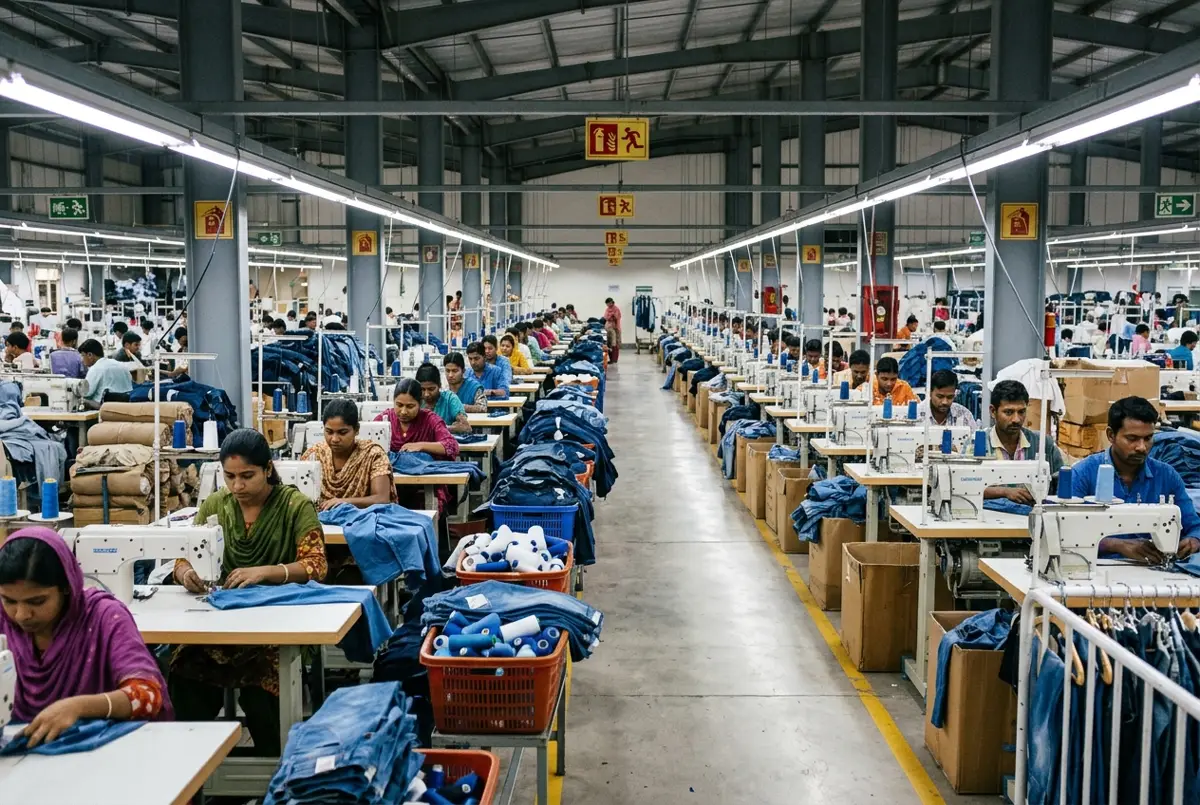
Best value at volume for cotton basics, denim and sweaters.
Garment sourcing in Bangladesh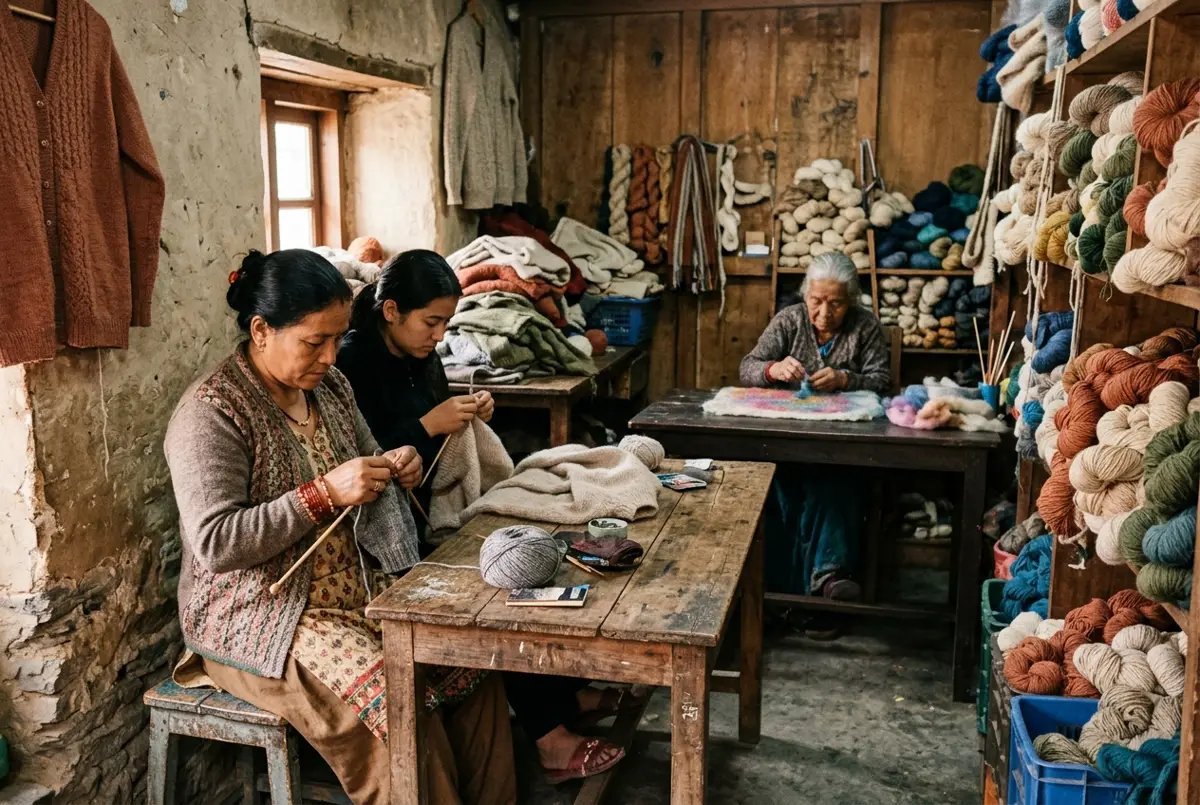
Handmade, small-batch cashmere, knitwear and felt; longer lead times.
Garment sourcing in Nepal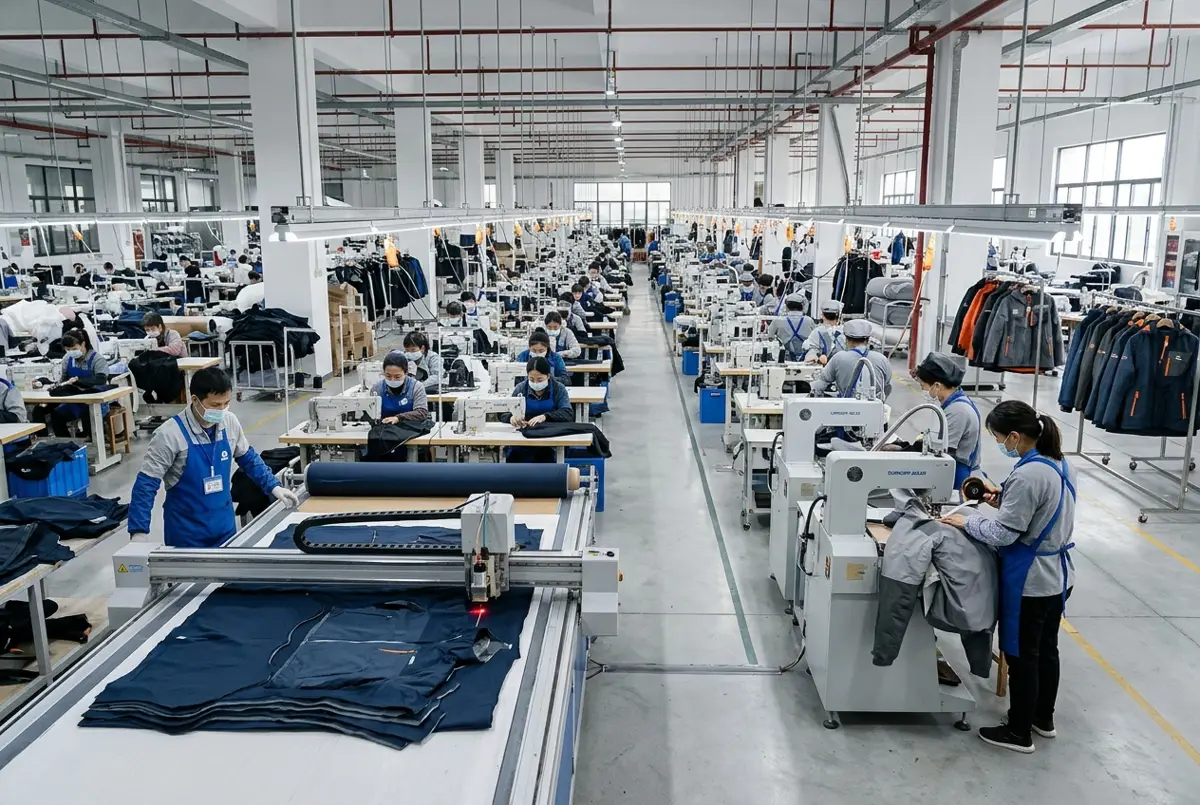
Fastest development and widest fabric choice; check US tariffs and cotton traceability.
Garment sourcing in China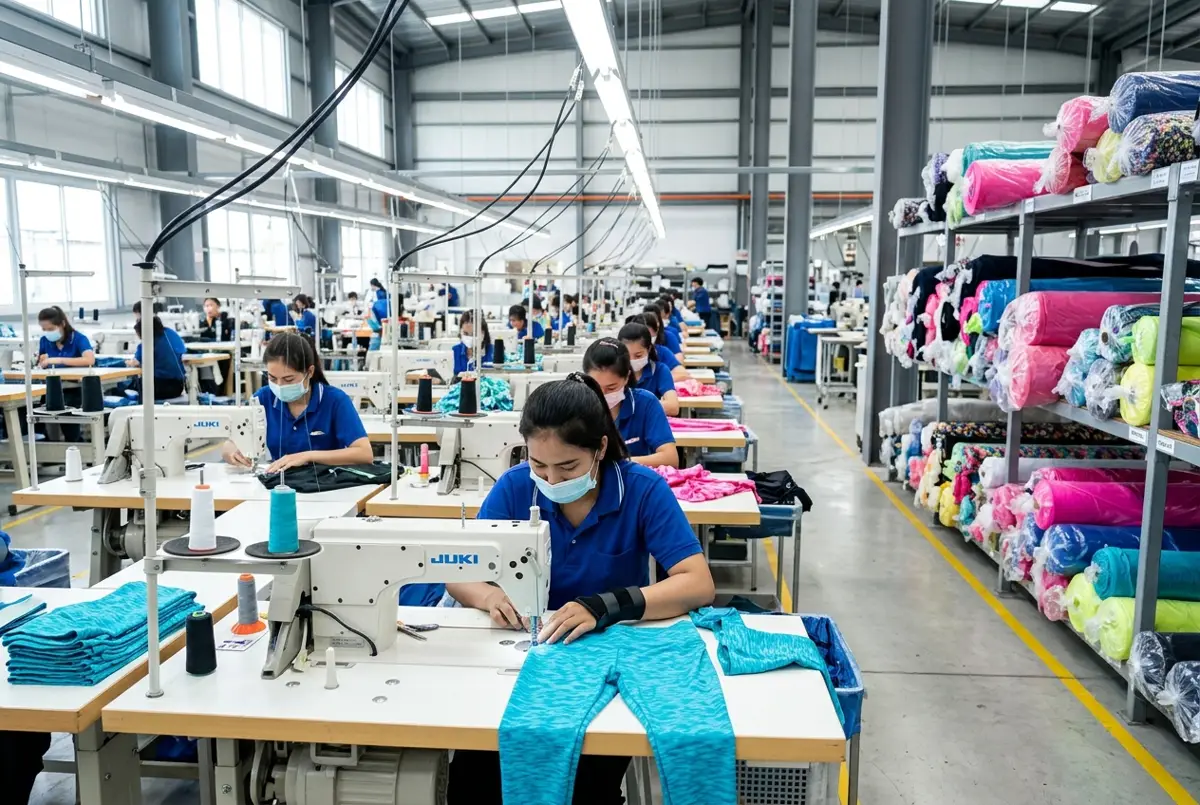
Specialist quality for activewear, swim and intimates; higher unit cost.
Garment sourcing in Thailand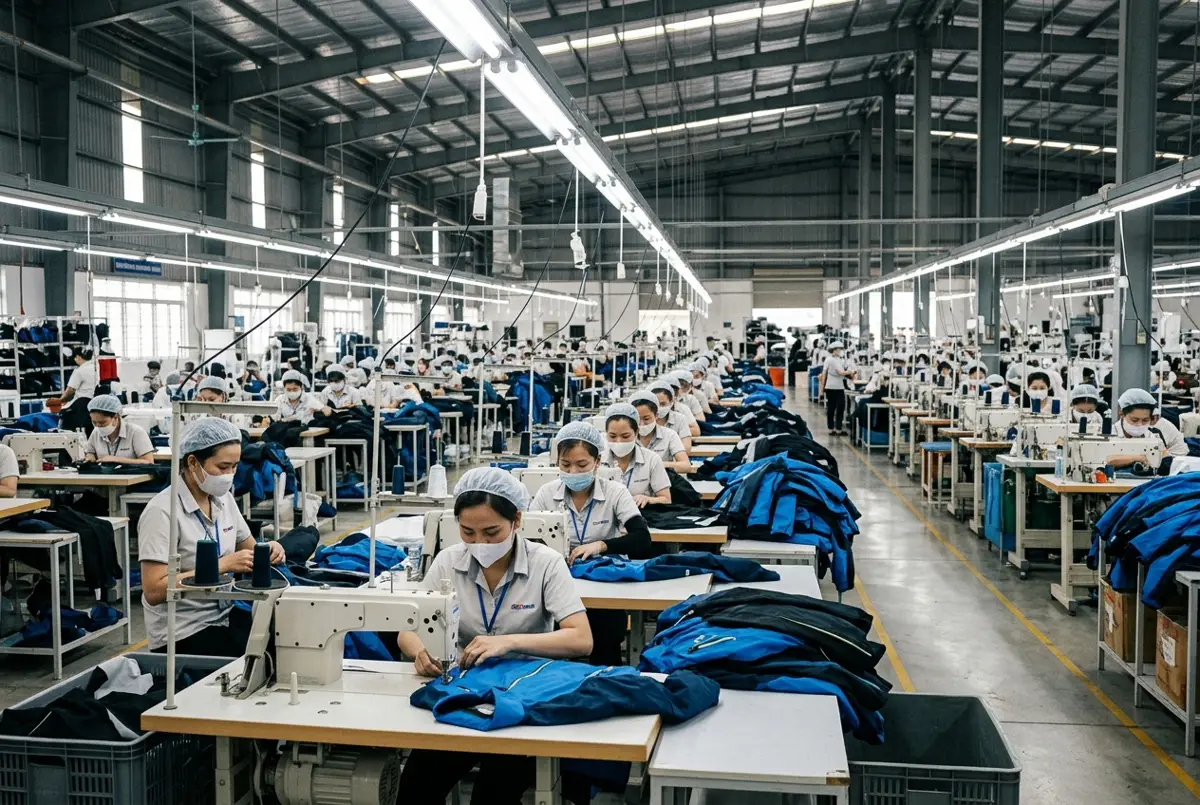
Strong for outerwear and sportswear; check fabric origin for FTA duty.
Garment sourcing in VietnamIndia suits buyers who want cotton and natural-fibre fabrics developed at source, decorative techniques such as printing and embroidery, and documented organic or certified supply chains. For technical synthetics, we often compare it with Vietnam or China.
Tiruppur in Tamil Nadu is India's main cotton knitwear cluster. For fashion knits with embellishment, Delhi NCR is also strong.
Yes. Many factories hold GOTS certification. We check scope certificates and obtain transaction certificates for your shipment.
It depends on fabric. Garments from stock fabric move faster than those needing custom-dyed or developed fabric. We build a realistic time and action plan at costing stage.
Yes. Our India team handles factory visits, sampling follow-up, production monitoring and inspections.
Yes. Many buyers use several specialist factories, for example Tiruppur for knit basics and Jaipur for printed dresses, and we coordinate them as one programme.
Some processes such as printing, embroidery and washing are often done by specialist job-work units. We list them and include them in audits and inspections.
A deposit with order and balance against documents or after final inspection is common. Established buyers may use letters of credit or open account terms.
Yes. We arrange factory visits in the relevant clusters and accompany you.
Global garment sourcing enquiry
Tell us what you want to make and where you are considering. Our teams in India, Bangladesh, Nepal, China, Thailand and Vietnam will recommend the right country and factories, with no obligation.