01
Factory matching
We match your product, quantity and compliance requirements to factories whose lines are already set up for that product.
Global garment sourcing · Bangladesh
Bangladesh is one of the world's largest garment exporters and the go-to country for high-volume cotton basics: t-shirts, polos, sweatshirts, denim and sweaters made in large, specialised factories. Its industry has also been transformed since 2013 by building-safety programmes and a fast-growing number of green-certified factories.
Our team in Bangladesh helps buyers pick the right factory for their volume, verify safety and social compliance, manage fabric and production, and inspect every order before shipment.
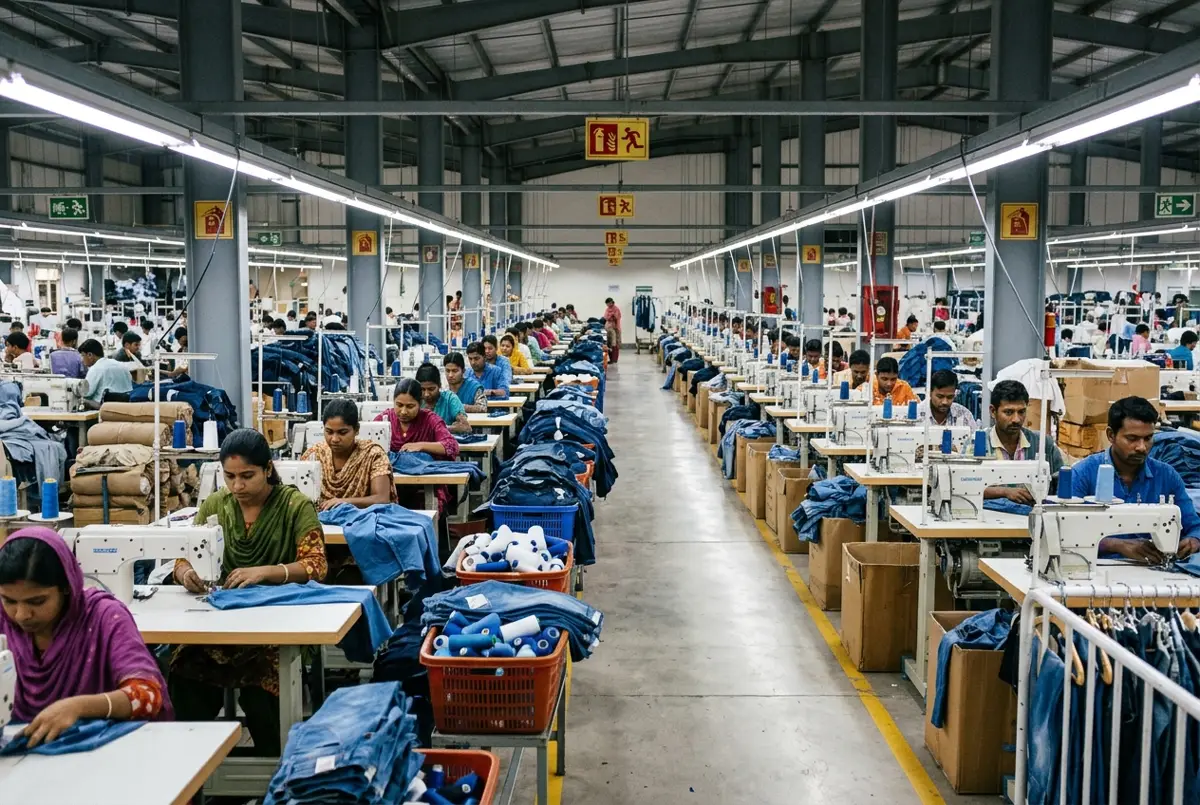
Bangladesh's strength is scale and specialisation. Many factories focus on a narrow product range, such as basic tees or five-pocket jeans, and run long lines that make large orders efficient. Knit factories are often vertically integrated with knitting and dyeing, so cotton knit programmes can be competitively priced and repeatable.
The trade-off is flexibility. Many established factories prefer larger quantities per style and colour, complex fashion styles with frequent changes are harder to place, and woven programmes depend on imported fabric, which adds time. We help buyers decide when Bangladesh is the right fit and when a split with India or Vietnam works better.
Bangladesh imports nearly all of its raw cotton, but it has substantial spinning, knitting and knit-dyeing capacity, so most knit garments use locally produced fabric. Woven fabrics, particularly fashion wovens, shirting and some denim, are often imported from China, India and elsewhere, which adds transit time before cutting can start.
When you need a specific woven fabric, we confirm the mill and its lead time before agreeing a delivery date. For EU and UK duty preferences, the fabric's origin also matters, so we track it from the start.
We match your product, quantity and compliance requirements to factories whose lines are already set up for that product.
We review building-safety status under the RMG Sustainability Council or other recognised programmes, plus recent social audits, before any order.
Our merchandisers follow development samples and costings, comparing several factories on the same basis.
We track imported and local fabric bookings, lab dips and trims so production starts on time.
AQL inspections at our checkpoints, with re-inspection of any failed lots.
We coordinate packing, origin documents and handover to your forwarder in Chattogram or Dhaka.
Large Bangladeshi factories run dedicated sampling sections with merchandisers who handle many buyers at once, so clear tech packs and quick comments make a real difference to speed. Knit factories can develop fabric in-house, while woven samples often wait for imported fabric swatches or sample yardage.
We consolidate your comments, follow each sample round in person, and confirm that the pre-production sample is made from the actual bulk fabric and trims, not substitutes. For new buyers, we often recommend a small first order with full inspection before scaling up.
On high-volume lines, small issues repeat quickly across thousands of pieces. Our in-line checks focus on the first output from each line, measurement consistency across sizes, and wash shade on denim. We also check carton packing and labelling against retailer manuals, which are a frequent source of chargebacks.
After the 2013 Rana Plaza collapse, the Accord and Alliance programmes inspected thousands of factories for structural, fire and electrical safety. That work continues through the RMG Sustainability Council and the International Accord. Bangladesh also has a large number of LEED-certified green garment factories. Common social and product certifications include amfori BSCI, SMETA, WRAP, OEKO-TEX, GOTS and GRS.
On duty, Bangladesh's garments currently enter the EU duty-free under the Everything But Arms scheme and have preferential access to the UK under DCTS. Bangladesh is graduating from Least Developed Country status, with transition periods for these preferences, so buyers should check the current position. The US offers no general preference for Bangladeshi garments. We help you plan the origin documents needed for each claim.
Bangladesh factories are built for volume, and many set minimums per colour and per style that are higher than in India or Nepal. Smaller orders are possible with mid-sized factories or when several colours share one fabric, but the best prices go to larger, repeat orders. We are open about this from the first conversation so you do not spend months sampling with a factory that will not accept your quantity.
Knit garments made from locally knitted and dyed fabric generally have the most predictable lead times. Woven and denim orders that depend on imported fabric need extra time for the fabric to arrive and clear customs before cutting. Port congestion in Chattogram and road traffic between the Dhaka area and the port can also add days.
Production slows significantly around the two Eid holidays, when many workers travel home; the exact dates move each year with the lunar calendar. Peak export seasons for autumn-winter and spring-summer can fill large factories months ahead, so early capacity booking matters for big programmes.
Bangladesh is competitive on making cost for high-volume products. The final price depends heavily on fabric, which may be local knit fabric or imported woven fabric, on order size, and on how many colours and sizes are spread across the order. Minimum wage revisions and energy costs also affect factory pricing from season to season.
Buyers often get the best value by consolidating colours and styles into fewer, larger orders, and by fixing fabric early. We compare costings across factories on the same specification so that savings are real, not the result of a cheaper fabric or a shortcut in construction.
Sampling with a large factory that will not accept your quantity wastes months. Confirm minimums first.
Buyers remain exposed to reputational risk if a factory's building-safety status is not verified.
Imported woven fabric needs early booking; late fabric is the most common cause of delay.
Claiming EU or UK preferences without the right origin documents can lead to duty bills after import.
On fast, high-volume lines, waiting for the final inspection means defects are already in thousands of pieces.
Duty and compliance depend on where you sell as much as where you make. These notes summarise the main points; always confirm the current rate and rules for your HS code.
Most sea freight leaves through Chattogram, often transhipped through Colombo, Singapore or other hubs, while urgent goods fly from Dhaka. Road congestion between Dhaka-area factories and the port can add days, so we plan cargo cut-offs carefully. Packing standards, carton marks and retailer labels are agreed at the pre-production meeting and checked at final inspection.
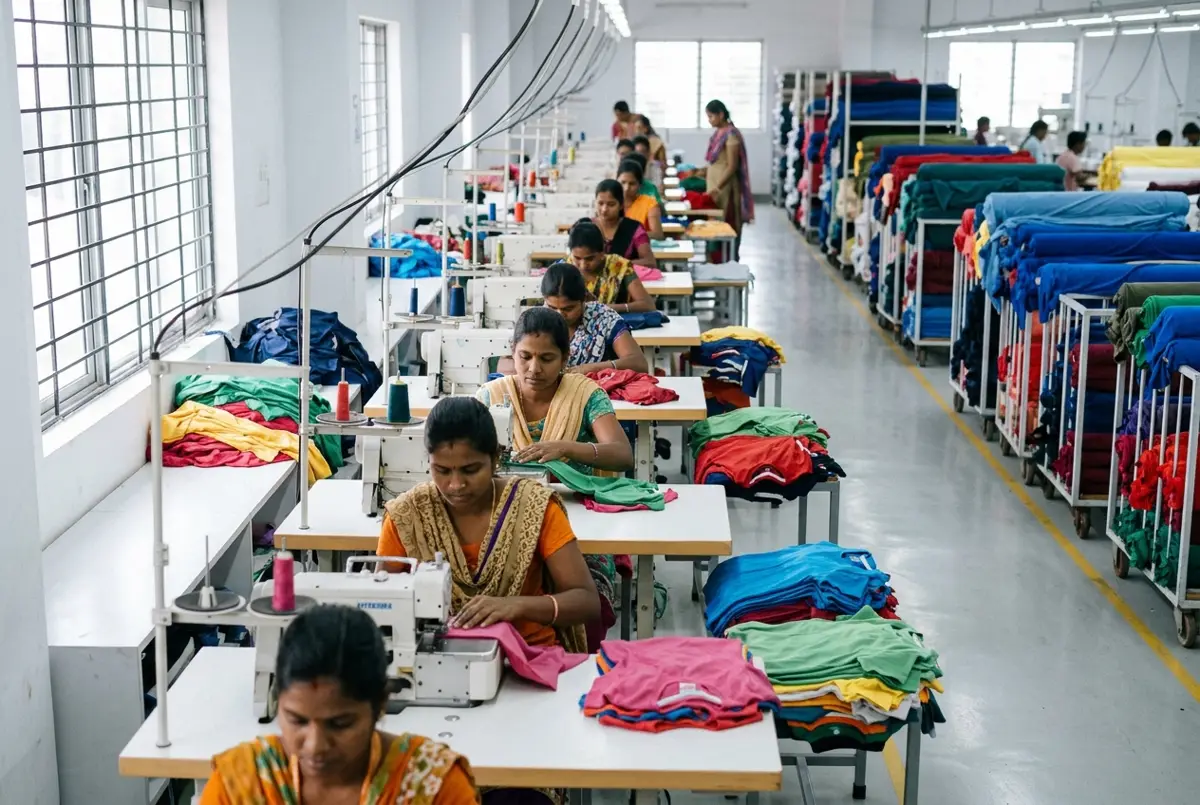
Deep cotton fabric base and handwork; strong for organic and printed programmes.
Garment sourcing in India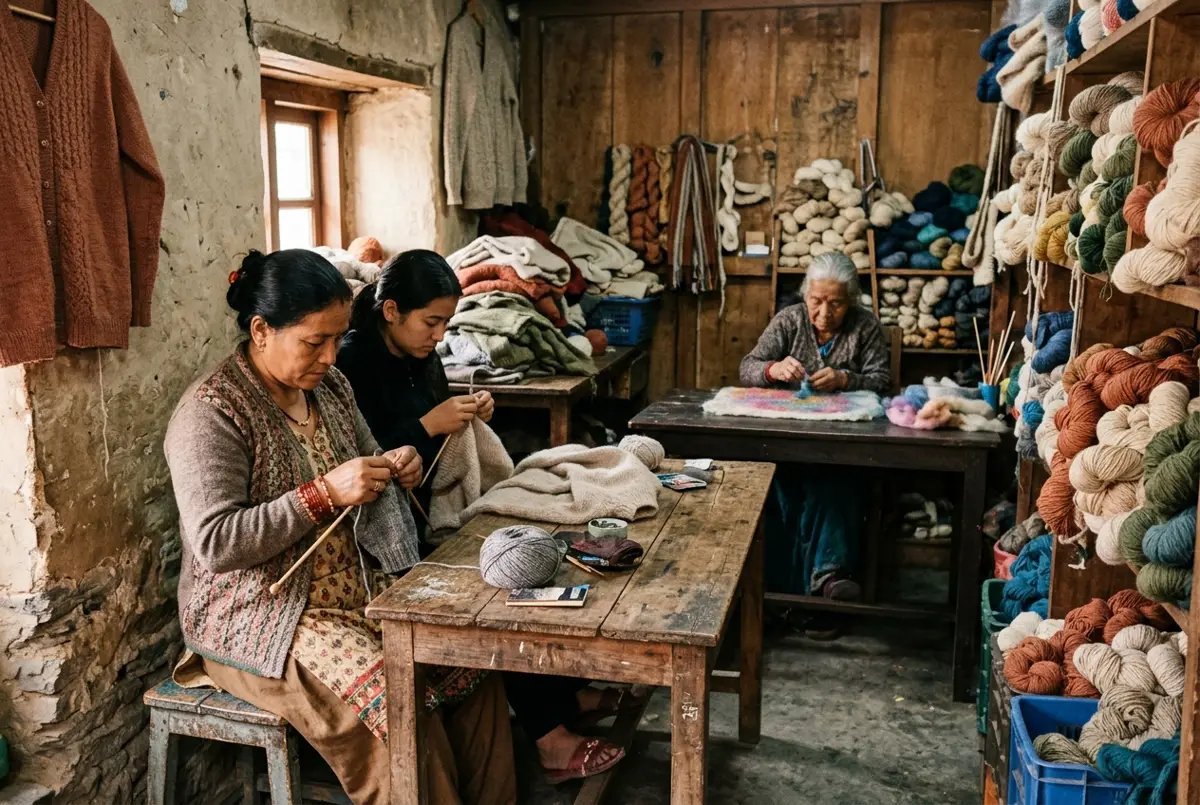
Handmade, small-batch cashmere, knitwear and felt; longer lead times.
Garment sourcing in Nepal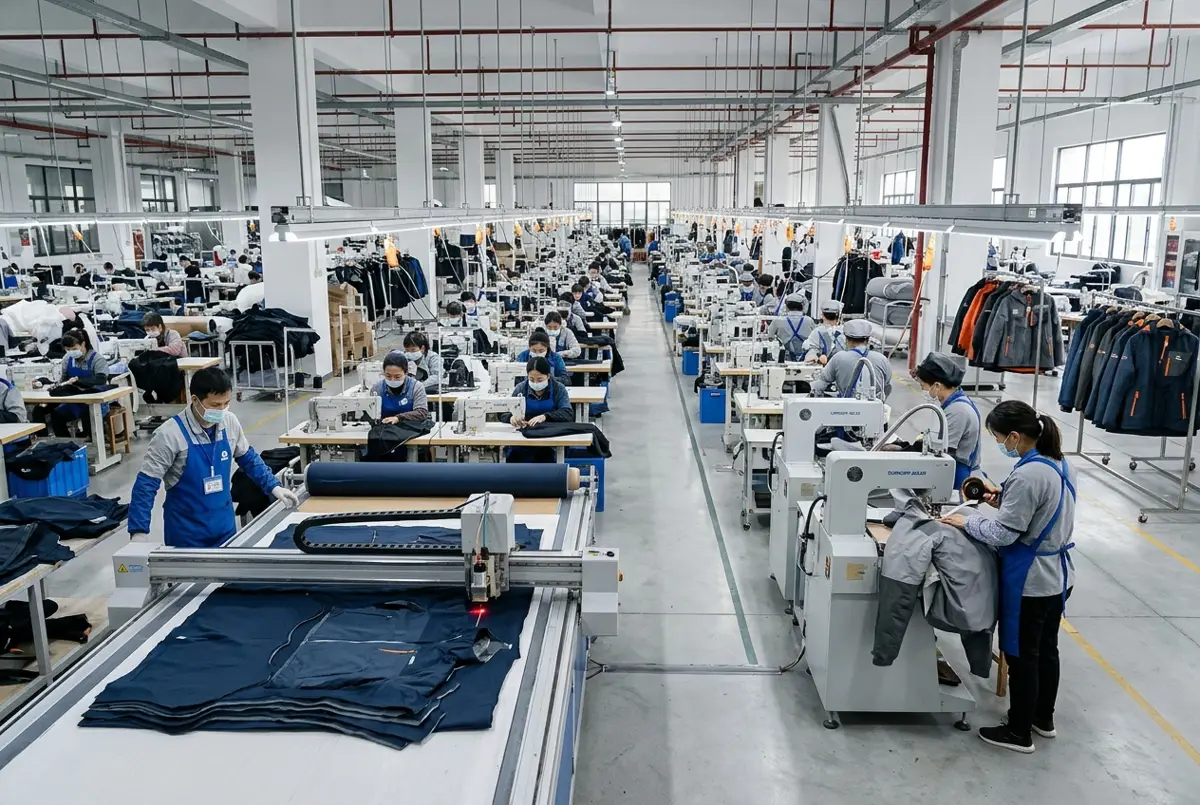
Fastest development and widest fabric choice; check US tariffs and cotton traceability.
Garment sourcing in China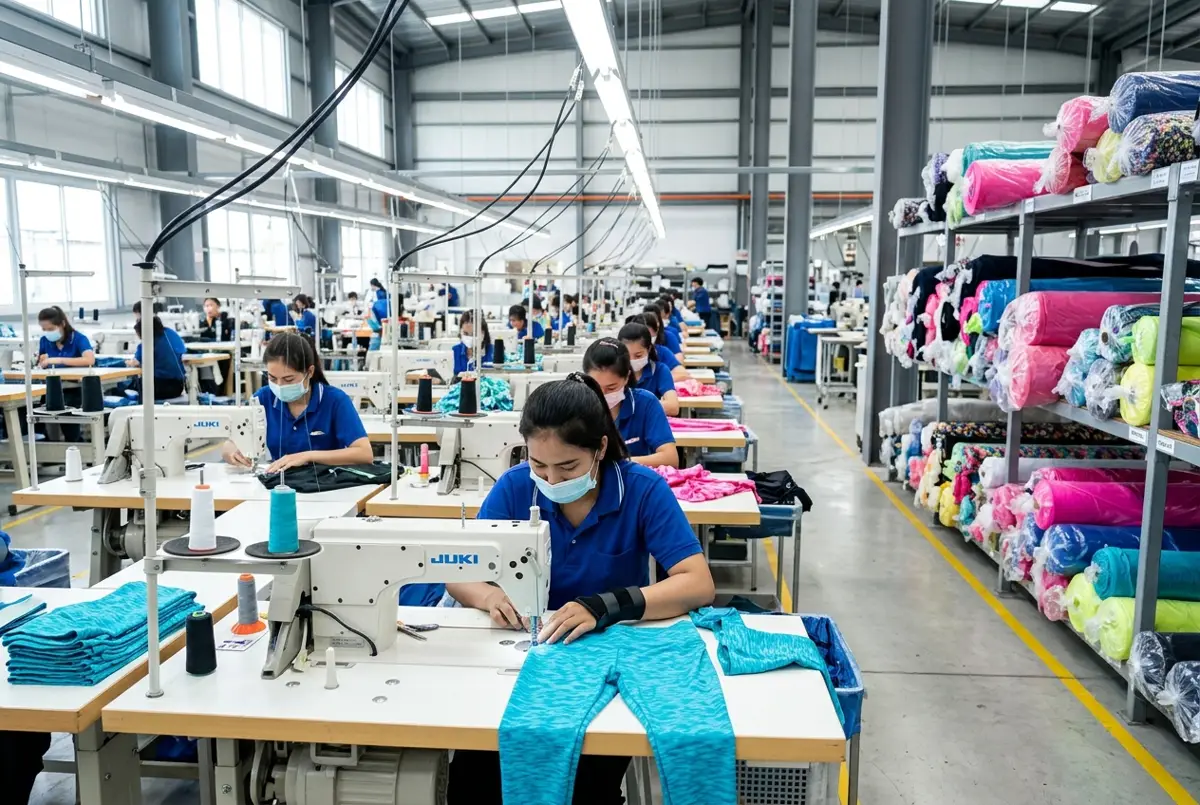
Specialist quality for activewear, swim and intimates; higher unit cost.
Garment sourcing in Thailand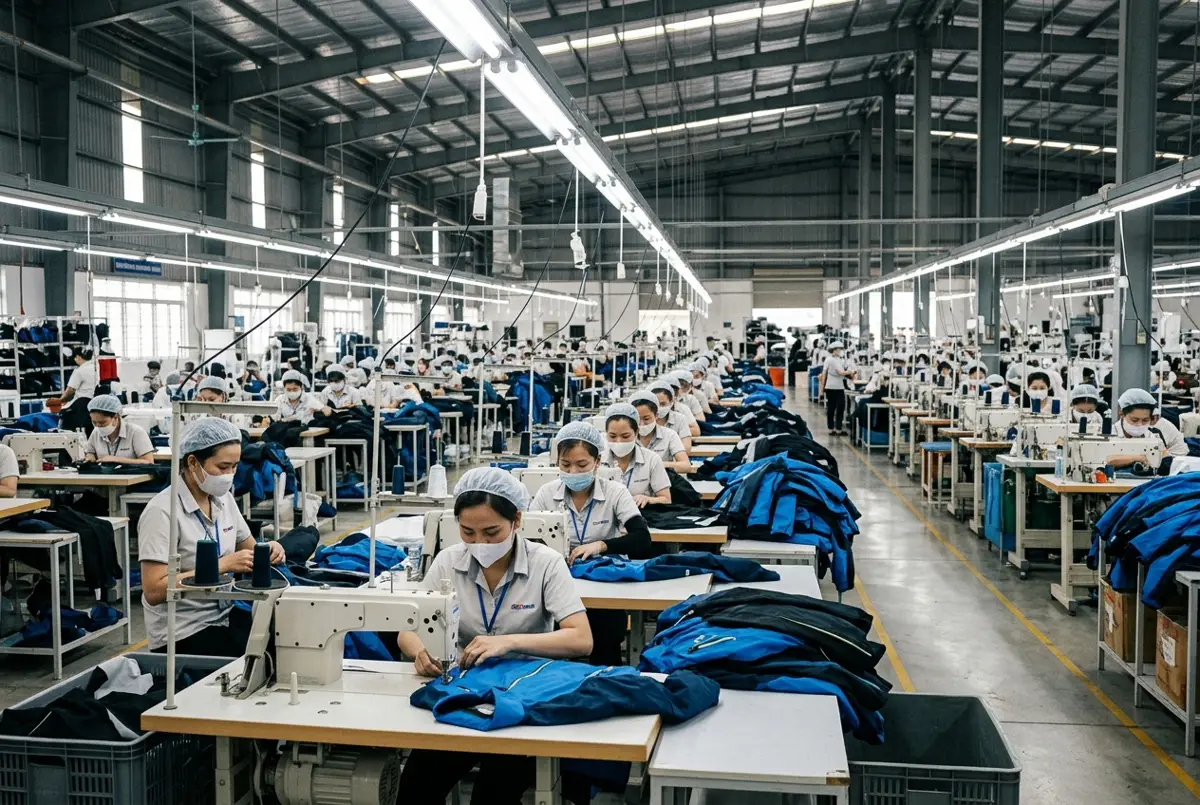
Strong for outerwear and sportswear; check fabric origin for FTA duty.
Garment sourcing in VietnamIt can be difficult. Many established factories prefer larger volumes per style and colour. For smaller orders, we may suggest a mid-sized Bangladeshi factory or another country such as India or Nepal.
Many export factories have been inspected under the Accord and now the RMG Sustainability Council. We check each factory's current safety status and audit reports before recommending it.
Currently yes, under Everything But Arms, provided the origin rules are met. Bangladesh's graduation from LDC status brings a transition period, so check the current status for your order dates.
High-volume knit basics, denim, sweaters and woven bottoms are the strongest categories.
Yes. Our Bangladesh team handles factory verification, merchandising follow-up and inspections.
Shortlisting and sampling usually take several weeks before bulk. Woven programmes take longer if fabric must be imported.
Yes. We review the factory's status with recognised safety programmes and visit the site before recommending it.
Letters of credit are widely used, especially for new relationships, with telegraphic transfer terms for established buyers.
Yes. Many factories offer organic and recycled fabrics and some hold green building certifications; we check certificates for each order.
Global garment sourcing enquiry
Tell us what you want to make and where you are considering. Our teams in India, Bangladesh, Nepal, China, Thailand and Vietnam will recommend the right country and factories, with no obligation.