01
Specialist shortlist
We shortlist factories already making your product, for example swimwear with moulded cups or bonded leggings.
Global garment sourcing · Thailand
Thailand is a mid-sized, higher-value garment producer. Rather than competing on the cheapest basics, its factories specialise in products where stretch fabrics, precise sewing and consistent quality matter most: activewear, swimwear, intimates and performance knitwear.
Our team in Thailand helps buyers find these specialist factories, verify them, manage sampling and production, and inspect quality, and advises when Thailand's higher costs are justified by the product.
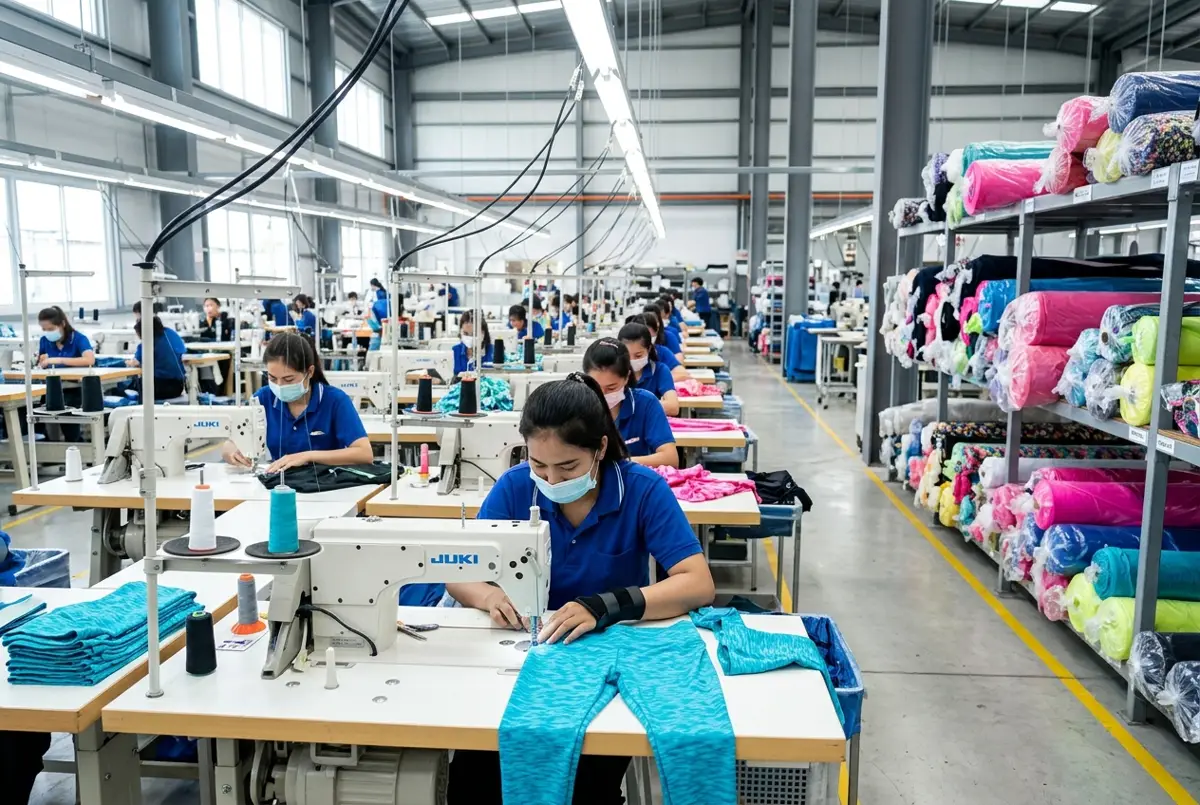
Thailand has a mature textile industry that includes synthetic fibre, knitting, dyeing and finishing, so stretch fabrics such as nylon and polyester with elastane can be sourced locally. Its garment factories are known for skilled operators on flatlock, coverstitch and bonding machines, and for quality systems that suit premium activewear and swimwear brands.
Labour costs are higher than in Bangladesh or Vietnam, and many large-volume basics have moved to neighbouring countries. Thailand is the right choice when the product is technical, the fit is critical, and the brand values consistency over the lowest price.
Thai mills produce polyester and nylon fabrics, including stretch, recycled and performance-finished options, which shortens development for activewear and swimwear. Specialist fabrics such as branded elastane blends may still be imported. Cotton is mostly imported. Northern and north-eastern regions keep traditional silk and cotton handweaving alive, useful for small, high-value collections.
We shortlist factories already making your product, for example swimwear with moulded cups or bonded leggings.
On-site checks of machinery, quality systems, subcontracting and social audits.
We follow fit and wear-test samples closely, because stretch products depend on precise grading.
Stretch recovery, colour-fastness to chlorine and sweat, and pilling tests where relevant.
In-line and final AQL checks with measurement on stretched and relaxed garments.
Coordination through Laem Chabang or Bangkok airport.
Activewear and swimwear development in Thailand centres on fit and fabric performance. Factories often produce several fit rounds on live models or wear testers, and grading must account for fabric stretch. We follow each round and record fit comments with photos and measurements.
Fabric development may include prints, laser cuts, bonding and moulded cups. We approve each component and make sure the bulk fabric matches the stretch and recovery of the approved sample.
With stretch products, measurements must be checked relaxed and, where specified, stretched. We also watch stitch stretch, elastic recovery, colour bleeding on prints, and the alignment of moulded or bonded components, which can be hard to correct once sewn.
Thai garment exporters commonly hold amfori BSCI, SMETA or WRAP social audits, and OEKO-TEX, GRS or bluesign-related approvals for fabrics. Migrant workers from neighbouring countries form part of the workforce, so we pay attention to recruitment fees and document retention during factory checks, in line with buyer codes of conduct.
Thailand has no free trade agreement in force with the EU, the UK or the US, so garments generally pay standard duty in those markets. Australia, Japan, China and other Asian partners have trade agreements with Thailand. Check the rate for your HS code and market.
Specialist activewear and swimwear factories often accept moderate minimums per style, particularly when stock fabrics are used. Custom-dyed or printed fabrics have mill minimums. Because unit costs are higher, Thailand works best for brands with smaller, premium programmes rather than very large single-style orders.
With synthetic fabrics available locally, Thai factories can often start bulk soon after fabric approval, especially with stock base fabrics. Custom prints, branded fibres and imported trims add time. Fit and wear-testing rounds for swimwear and activewear are usually the longest part of development.
Songkran, the Thai New Year in mid-April, is the main holiday period, and many workers travel home. Year-end holidays also affect output. We include these in production plans and capacity bookings.
Thailand's higher labour cost is reflected in making charges, but the products it makes best, such as swimwear and activewear, are often higher-value items where quality and returns matter more. Fabric choice, especially branded or recycled performance fabrics, construction details such as bonding, and order size are the main price drivers.
We compare quotes on identical specifications and help you decide whether the quality advantage justifies the cost for each product.
Swimwear and intimates need specialist machinery and skills; general garment factories struggle with them.
Stretch garments that pass on a mannequin can fail when worn. Include wear tests in development.
Chlorine, sweat and stretch-recovery tests catch problems before bulk.
Thailand's value is consistency and lower returns, which a unit-price comparison misses.
Mid-April holidays affect output; build them into your calendar.
Recruitment fees for migrant workers are a known risk; include them in factory checks.
Duty and compliance depend on where you sell as much as where you make. These notes summarise the main points; always confirm the current rate and rules for your HS code.
Beyond its industrial strengths, Thailand has living weaving traditions. Northern Thailand around Chiang Mai is known for handwoven cotton and hill-tribe textiles, and the north-east, including the Pak Thong Chai area of Nakhon Ratchasima, for Thai silk. These are small-scale, handmade sources rather than factories, best suited to limited resort, accessory and homeware collections.
Working with weaving groups needs longer lead times, flexible quantities and acceptance of natural variation. We help buyers set realistic standards and combine these artisan pieces with factory-made garments in the same order when it makes sense.
Laem Chabang is Thailand's main container port, with good connections to Europe, North America and Australia, and Bangkok's Suvarnabhumi airport handles air freight. Swimwear and lingerie need careful packing to protect moulded and padded components, which we confirm at the pre-production meeting.
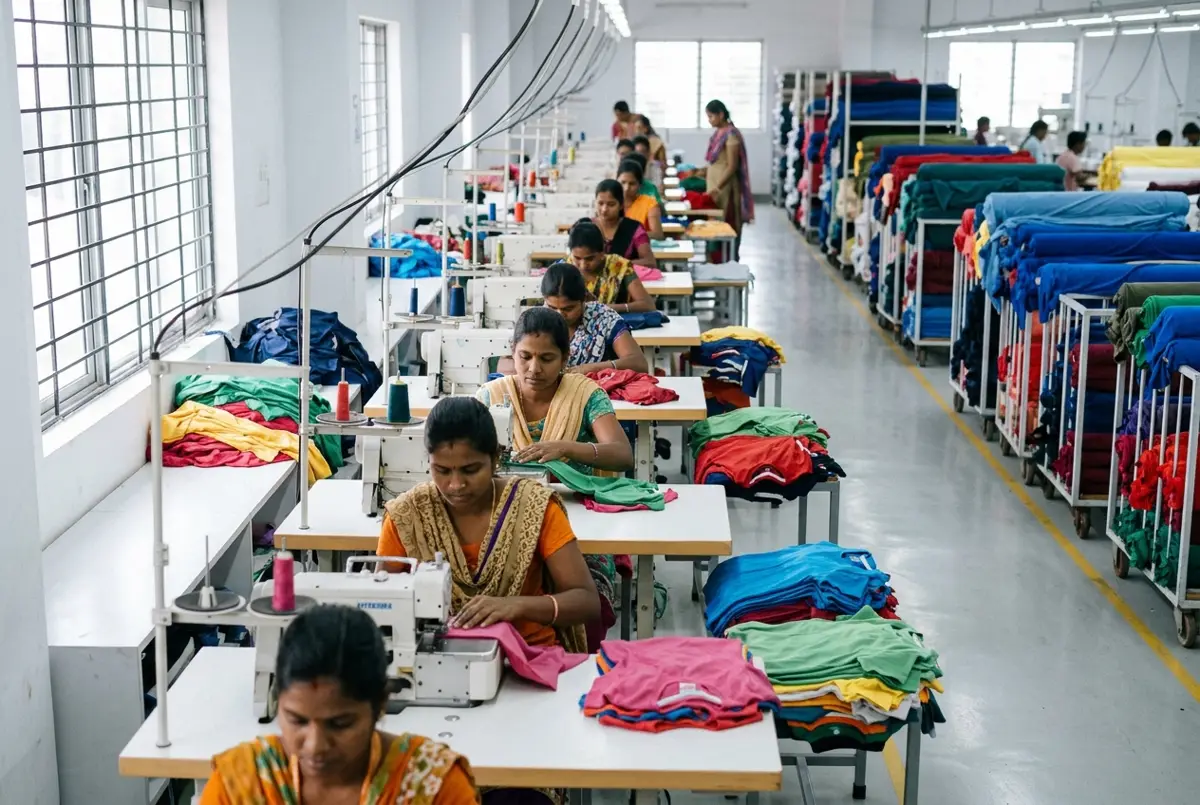
Deep cotton fabric base and handwork; strong for organic and printed programmes.
Garment sourcing in India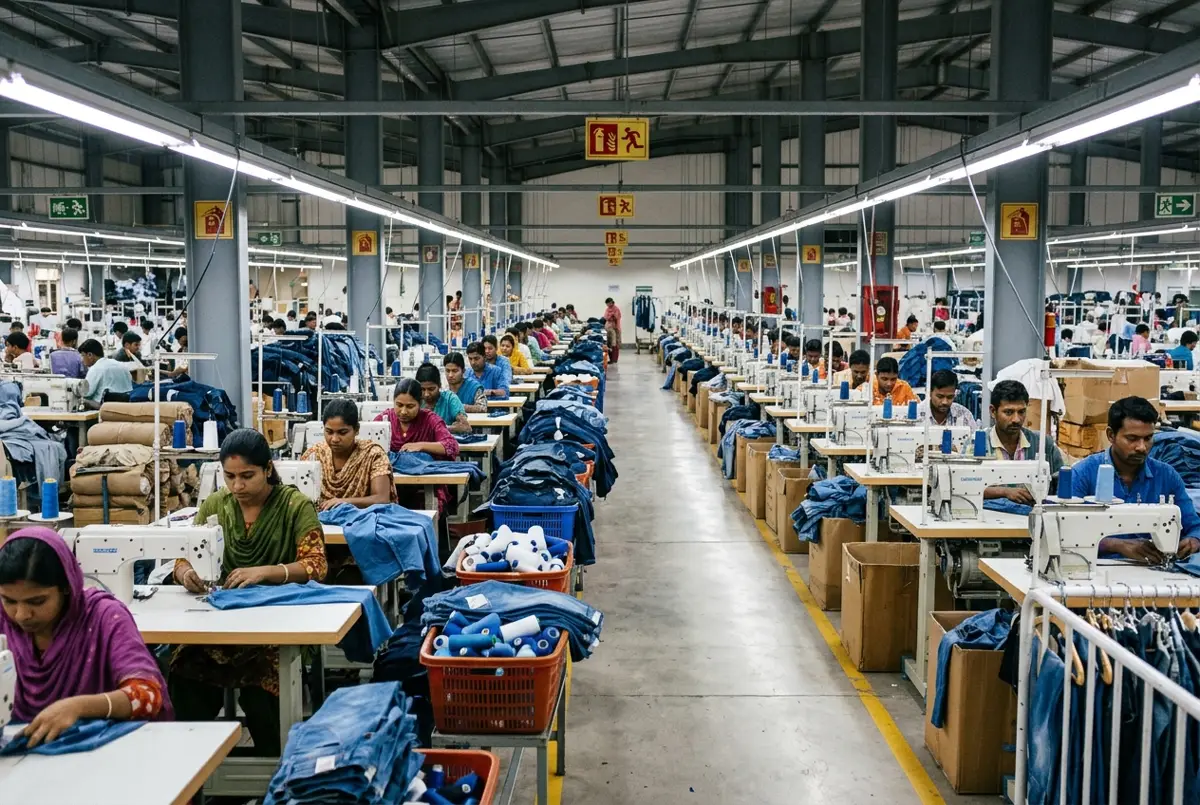
Best value at volume for cotton basics, denim and sweaters.
Garment sourcing in Bangladesh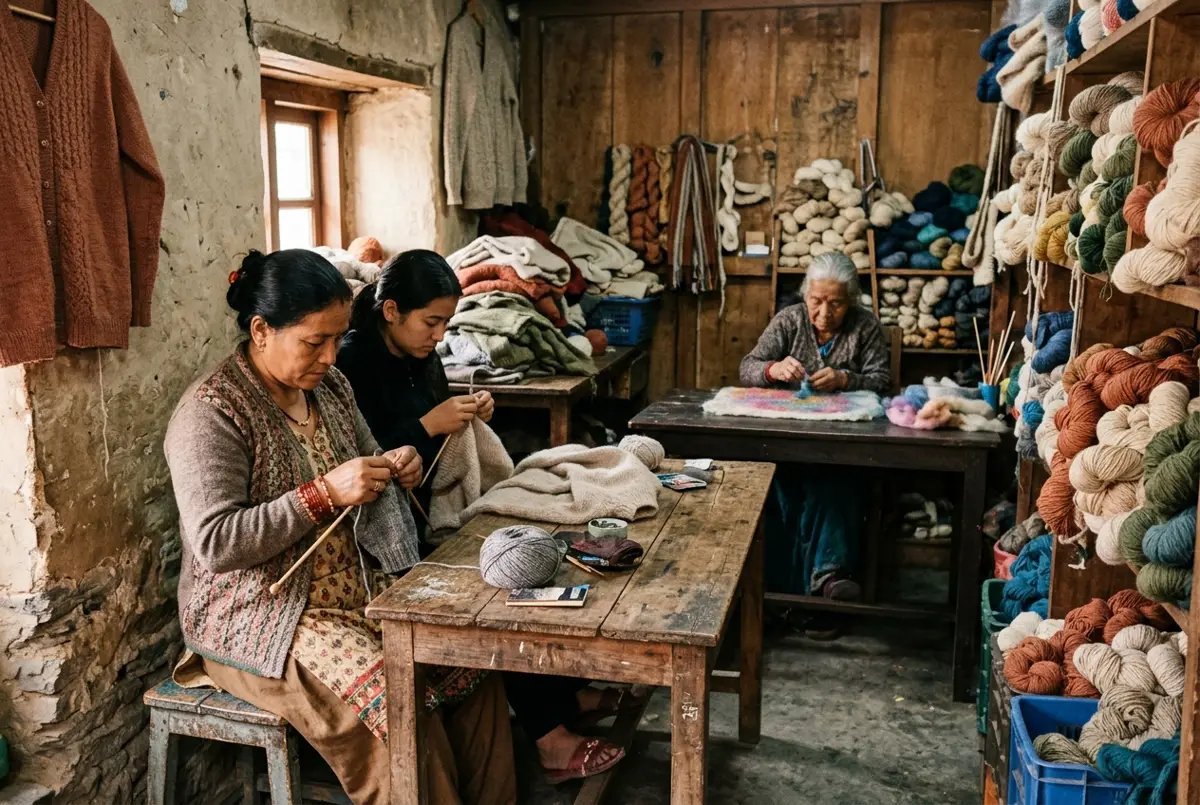
Handmade, small-batch cashmere, knitwear and felt; longer lead times.
Garment sourcing in Nepal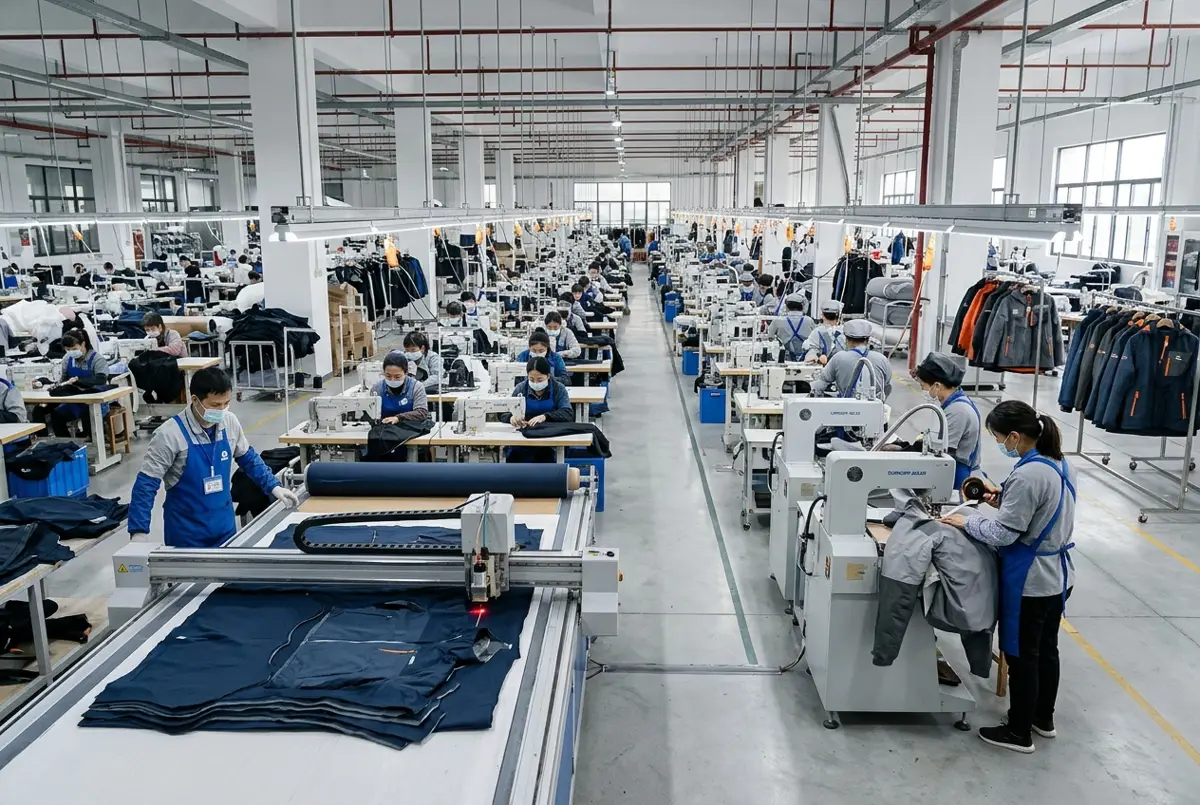
Fastest development and widest fabric choice; check US tariffs and cotton traceability.
Garment sourcing in China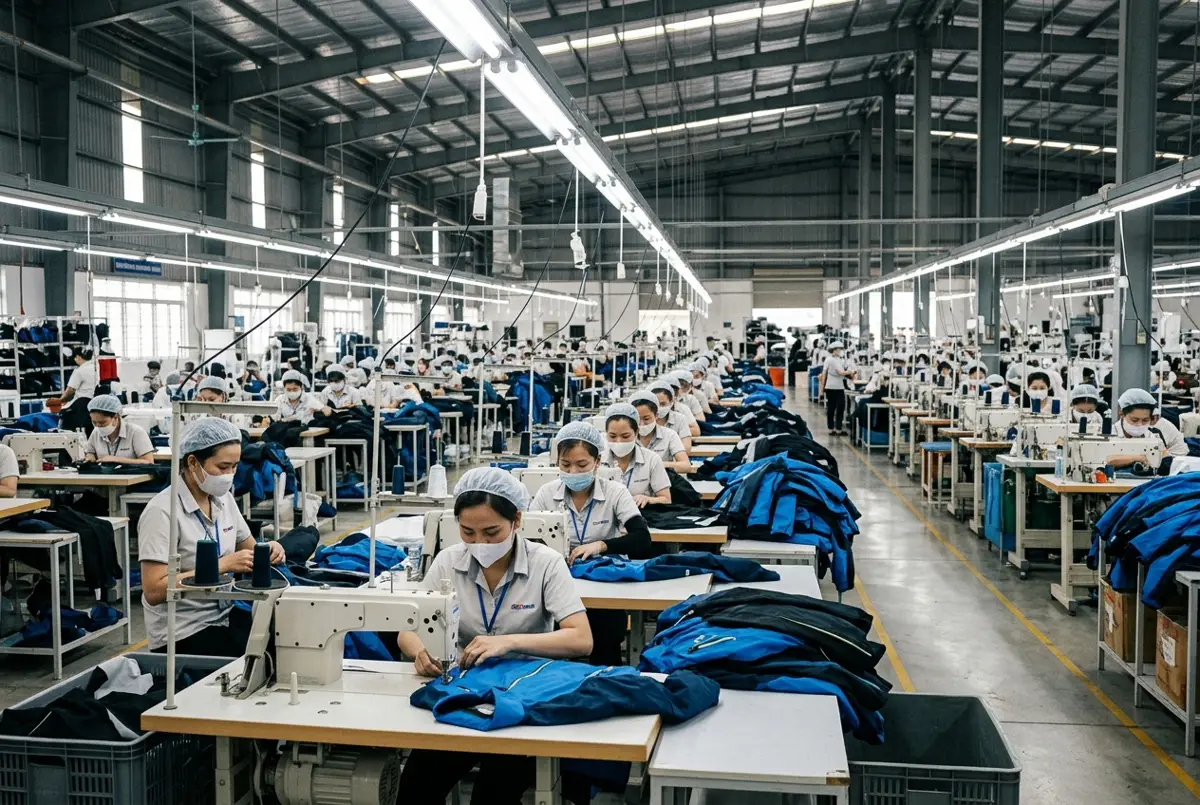
Strong for outerwear and sportswear; check fabric origin for FTA duty.
Garment sourcing in VietnamActivewear, swimwear, lingerie and performance knitwear, where fit and consistent quality matter more than the lowest unit price.
Usually yes for labour. Buyers choose Thailand for specialist skills, local synthetic fabrics and consistent quality.
No FTA with the EU or UK is in force, so standard duties generally apply. Check your HS code.
Yes. Recycled polyester and nylon fabrics are available, and we check GRS or other certificates for each order.
Yes. Our Thailand team handles factory checks, fit and sample follow-up, and inspections.
Many specialist factories accept moderate minimums, especially with stock fabrics. Custom fabrics have higher mill minimums.
Yes. We review recruitment practices, fees and document handling as part of our factory checks, alongside third-party audits.
Deposits with balance before shipment are common, and established buyers may get open account terms.
Yes. Many offer sublimation and digital printing on swim fabrics, with colour-fastness testing.
Yes, particularly performance polos and sports uniforms in synthetic fabrics.
Global garment sourcing enquiry
Tell us what you want to make and where you are considering. Our teams in India, Bangladesh, Nepal, China, Thailand and Vietnam will recommend the right country and factories, with no obligation.