01
Workshop selection
We match your product to workshops with proven skill in that technique and enough artisans for your quantity.
Global garment sourcing · Nepal
Nepal is not a mass-production garment country, and that is exactly why buyers come here. Its strengths are handmade and small-batch: pashmina and cashmere, hand-knit and hand-loomed woollens, felted wool, and natural fibres such as hemp and Himalayan nettle (allo).
Our team in Nepal works with workshops and small factories to turn these crafts into consistent, export-ready products, handling sampling, quality checks and the extra logistics planning a landlocked country needs.
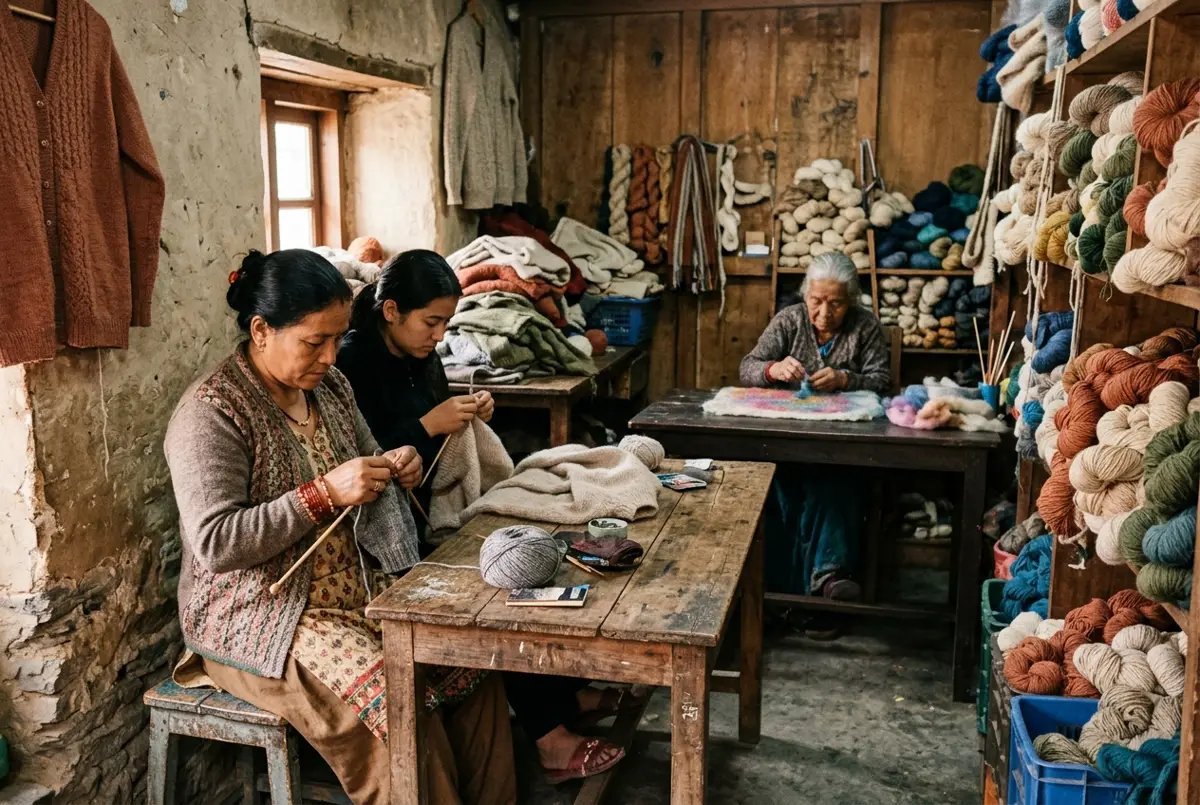
Nepal's export apparel is built on craft. The Kathmandu Valley has generations of skill in hand-knitting, crochet, felting and weaving, and its pashmina scarves and shawls are known worldwide. Production is mostly in workshops and small to medium units rather than large factories, so each order can be customised, and quantities that would be too small elsewhere are often welcome.
Nepal is not the right choice for high-volume cut-and-sew basics, technical synthetics or fast replenishment. Handwork also means natural variation, so we set clear tolerances and approve reference samples before production.
Nepal's apparel production is concentrated in the Kathmandu Valley. Other locations matter mainly for industrial inputs and logistics, not for broad garment manufacturing.
Cashmere is usually processed from imported fibre, while wool may be local or imported depending on the quality required. Handloom weaving produces small runs of cotton, wool, hemp and nettle cloth. Industrial woven and knit fabrics are mostly imported, often from India, so cut-and-sew garments need early fabric planning.
For cashmere and pashmina, we agree fibre content, micron range where relevant, and testing before production, because fibre claims are the most common quality dispute in this category.
We match your product to workshops with proven skill in that technique and enough artisans for your quantity.
Our staff visit workshops to check working conditions, capacity, and whether work is done in-house or by home-based artisans.
We approve and seal reference samples that define colour, size, knit tension or felt density.
We track production weekly, since handwork capacity changes with festivals and seasons.
Measurement, colour, finishing and fibre-content checks against the reference, with lab tests where needed.
We coordinate documents and the overland transit to an Indian port or air freight from Kathmandu.
Development in Nepal begins with technique: knit gauge, felt thickness or weave structure, and the yarn or fibre. Workshops make reference samples by hand, so we approve physical samples rather than relying on photographs, and we keep a sealed reference for each colour and size.
Colour development takes care because small dye lots vary. We approve colour standards early and, for repeat orders, ask workshops to keep yarn from the same lot where possible.
Handmade products vary naturally, so the key is to agree what variation is acceptable. We check sizes and weights against tolerances, colour against the approved standard, finishing such as loose ends and seams, and fibre content for cashmere and wool claims.
Many Nepali producers are members of fair-trade organisations, and some hold WFTO or other fair-trade certifications. Fibre-content testing is important for cashmere and pashmina claims, and wool products may need testing for restricted substances in dyes. Home-based work is common in handicraft supply chains, so we map where each stage happens and check that conditions meet your code of conduct.
Nepal is a Least Developed Country, and its exports currently qualify for duty-free access to the EU under Everything But Arms, subject to origin rules. Nepal is scheduled to graduate from LDC status, with a transition period for preferences. The US has run a Nepal Trade Preference Program for specific products such as certain shawls, scarves and carpets; check whether it is currently in force before you rely on it.
Small quantities are one of Nepal's advantages. Many workshops accept orders of a few dozen to a few hundred pieces per design, especially for knitted or felted accessories. The limit is time rather than minimums: handmade production takes longer, and large orders may need several workshops, which we coordinate to keep quality consistent.
Handmade production takes time. A hand-knit sweater can take many hours per piece, so a few hundred pieces may need many artisans working in parallel. Workshops plan around Dashain and Tihar, the major autumn festivals, when many artisans return to their villages and output falls for several weeks.
Transit adds time too: goods travel overland to an Indian port before the sea leg. Many buyers order autumn-winter knitwear early in the year, and we recommend placing orders well ahead of your selling season.
Fibre is the biggest cost for cashmere and wool products, and prices move with world fibre markets. Labour time is the second driver, because most work is done by hand. Small orders, custom colours that need separate dye lots, and complex patterns add cost, while repeating designs and colours across seasons reduces it.
Because buyers often pay a premium for craft, we focus on making sure the quality, fibre content and working conditions behind each product are genuine and documented.
Handmade production cannot be rushed without quality suffering. Plan longer lead times.
Without physical colour references, small dye lots drift. Approve and seal colours early.
Calling a blend 'pashmina' or 'cashmere' without testing can breach labelling rules in your market.
Dashain and Tihar can pause production for weeks.
Overland transit to an Indian port adds time before the sea leg.
Duty and compliance depend on where you sell as much as where you make. These notes summarise the main points; always confirm the current rate and rules for your HS code.
Nepal is landlocked. Sea shipments travel by road or rail to Kolkata or Haldia in India under the transit arrangements between the two countries, adding time compared with coastal countries. Lightweight, high-value goods such as cashmere often fly from Kathmandu. We plan packing to protect handmade goods in transit and allow for transit time in your delivery dates.
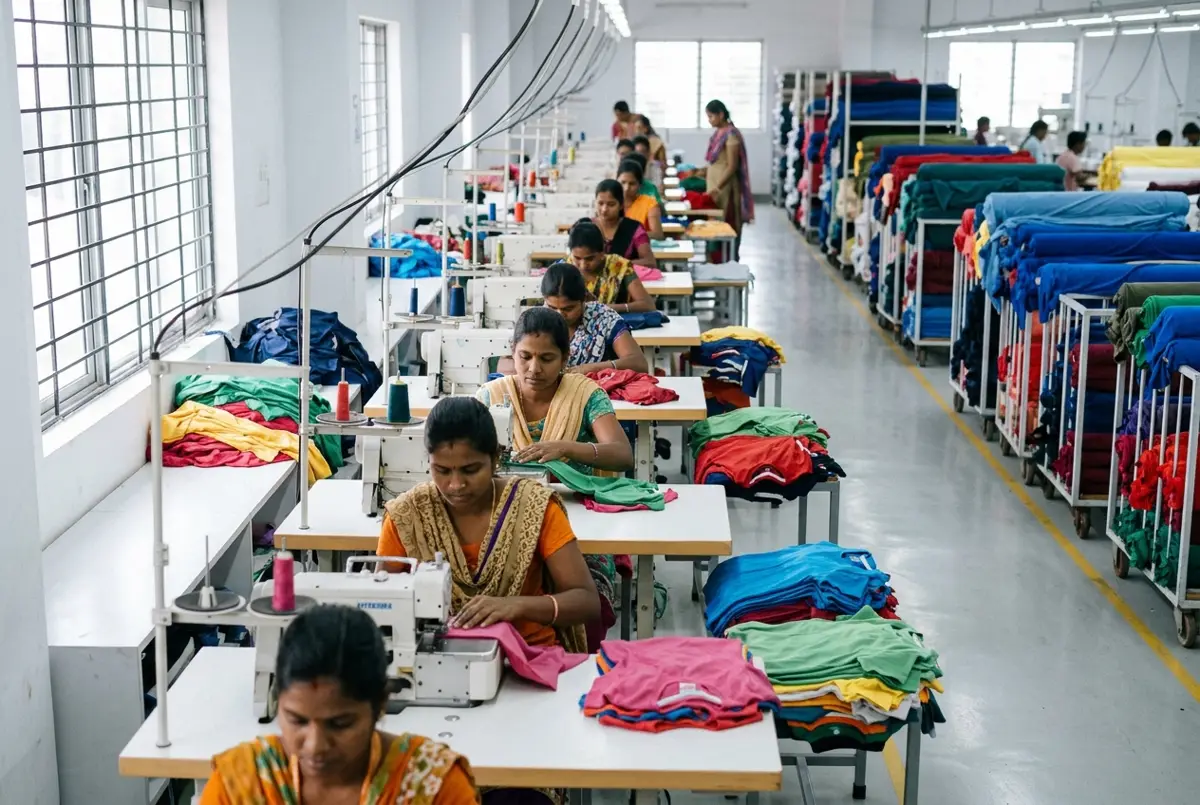
Deep cotton fabric base and handwork; strong for organic and printed programmes.
Garment sourcing in India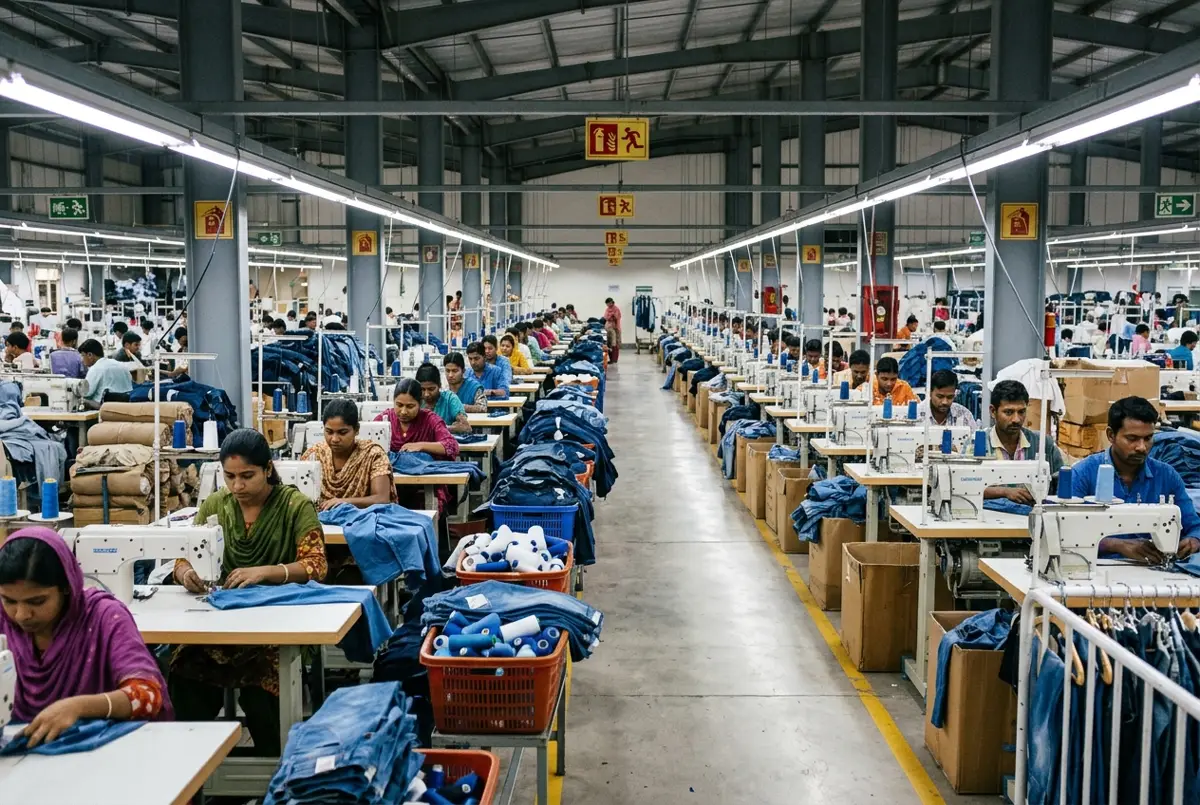
Best value at volume for cotton basics, denim and sweaters.
Garment sourcing in Bangladesh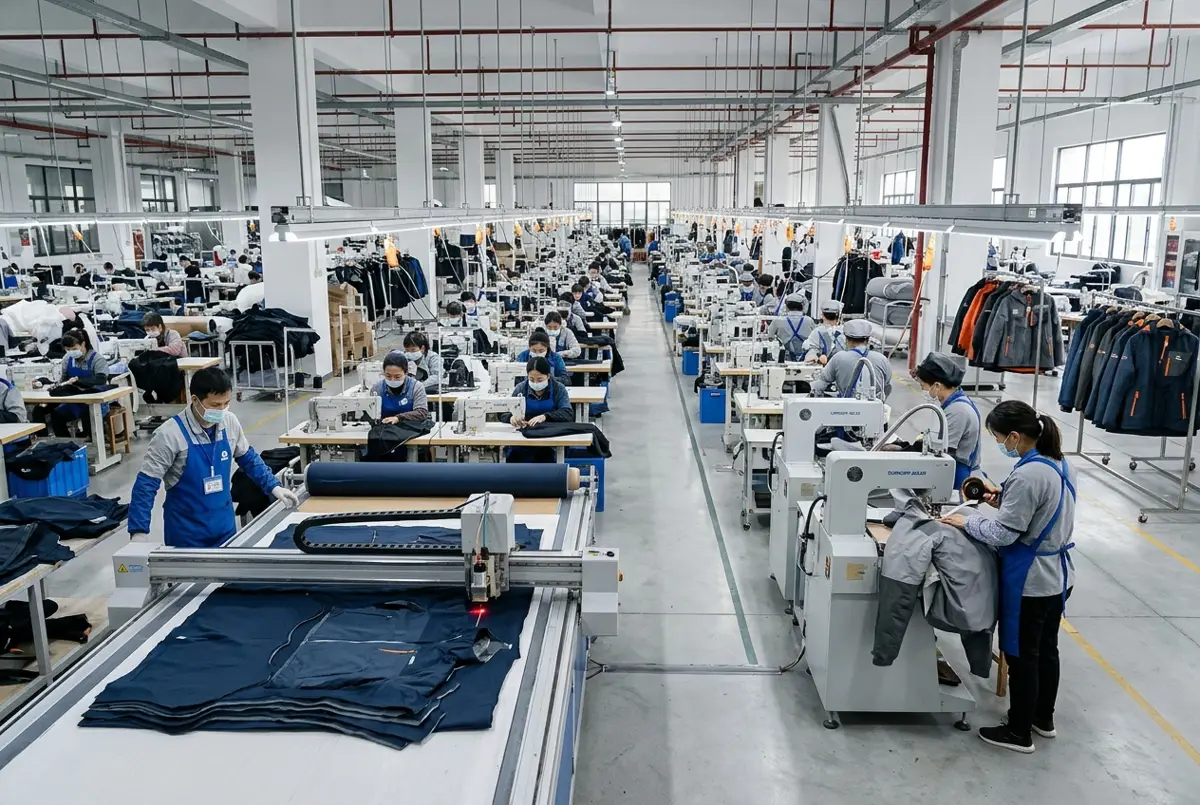
Fastest development and widest fabric choice; check US tariffs and cotton traceability.
Garment sourcing in China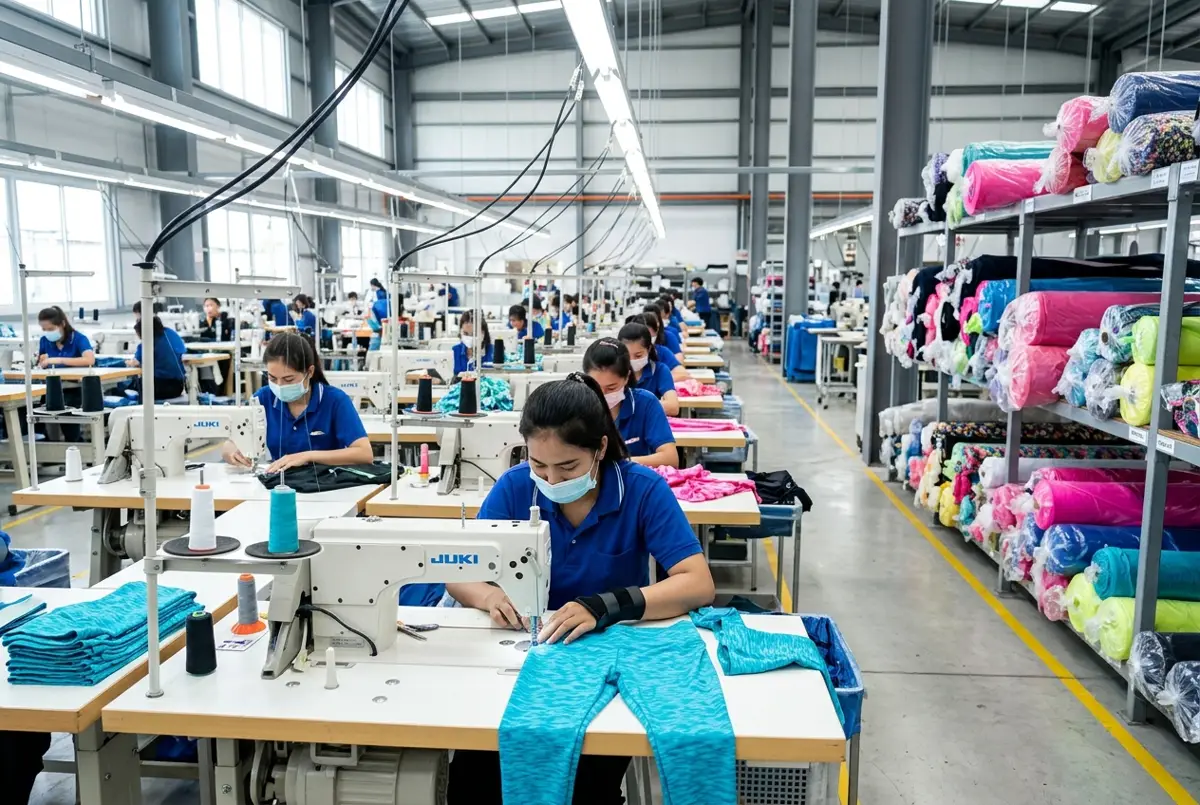
Specialist quality for activewear, swim and intimates; higher unit cost.
Garment sourcing in Thailand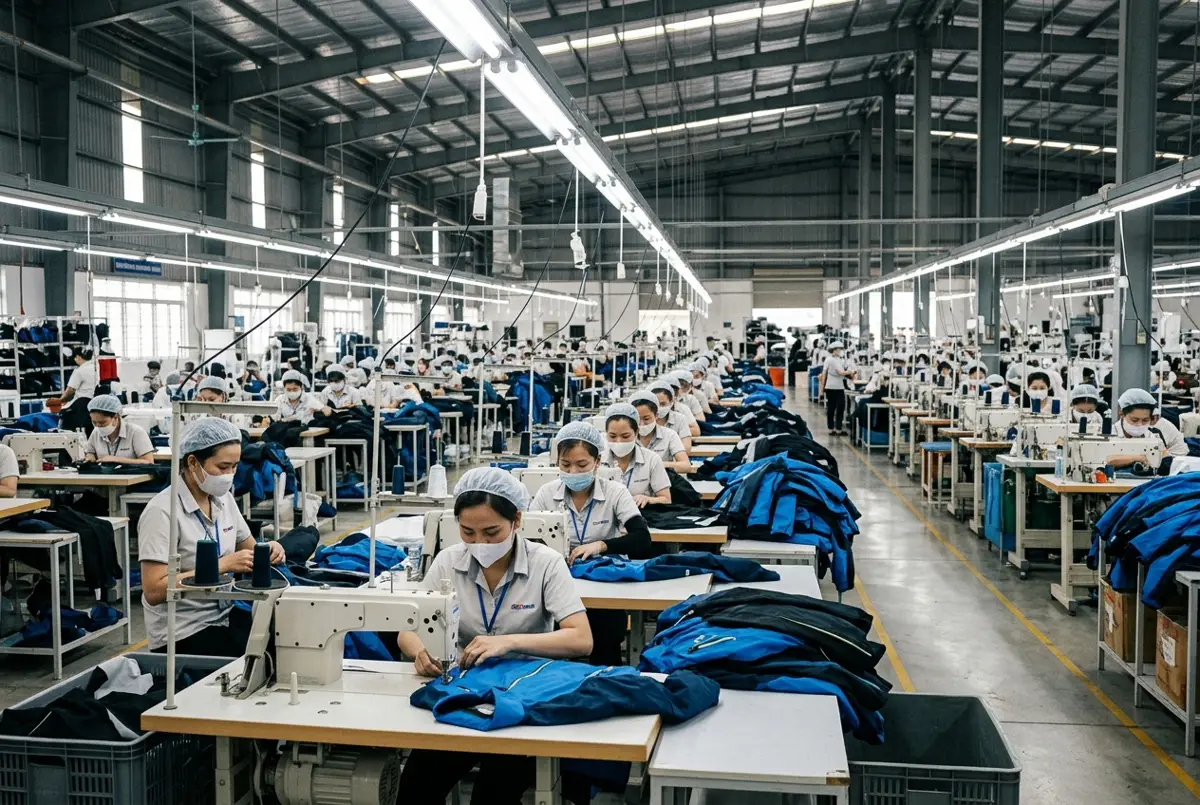
Strong for outerwear and sportswear; check fabric origin for FTA duty.
Garment sourcing in VietnamPashmina and cashmere scarves and knitwear, hand-knit woollens, felted wool products and hemp or nettle textiles.
Yes. Many workshops accept small runs per design, which suits premium and artisan brands. Handmade production takes longer, so plan time.
Sea freight moves overland to Kolkata or Haldia in India, then by ship. High-value lightweight goods often go by air from Kathmandu.
We agree fibre content and quality at sample stage and arrange fibre-content tests through accredited labs before shipment.
Yes. Our Nepal team visits workshops, follows production and inspects orders.
Pashmina refers to fine cashmere-type fibre traditionally associated with the Himalayas. Labelling rules in your market usually require the fibre name, such as cashmere, so we test fibre content before shipment.
Yes. Many workshops produce to buyers' designs and colour standards, as long as the technique suits handmade production.
Small workshops usually need an advance to buy yarn, with the balance before shipment. We agree terms that protect both sides.
Often yes. Goods from Nepal can be consolidated with Indian goods at an Indian port, subject to customs procedures.
Global garment sourcing enquiry
Tell us what you want to make and where you are considering. Our teams in India, Bangladesh, Nepal, China, Thailand and Vietnam will recommend the right country and factories, with no obligation.