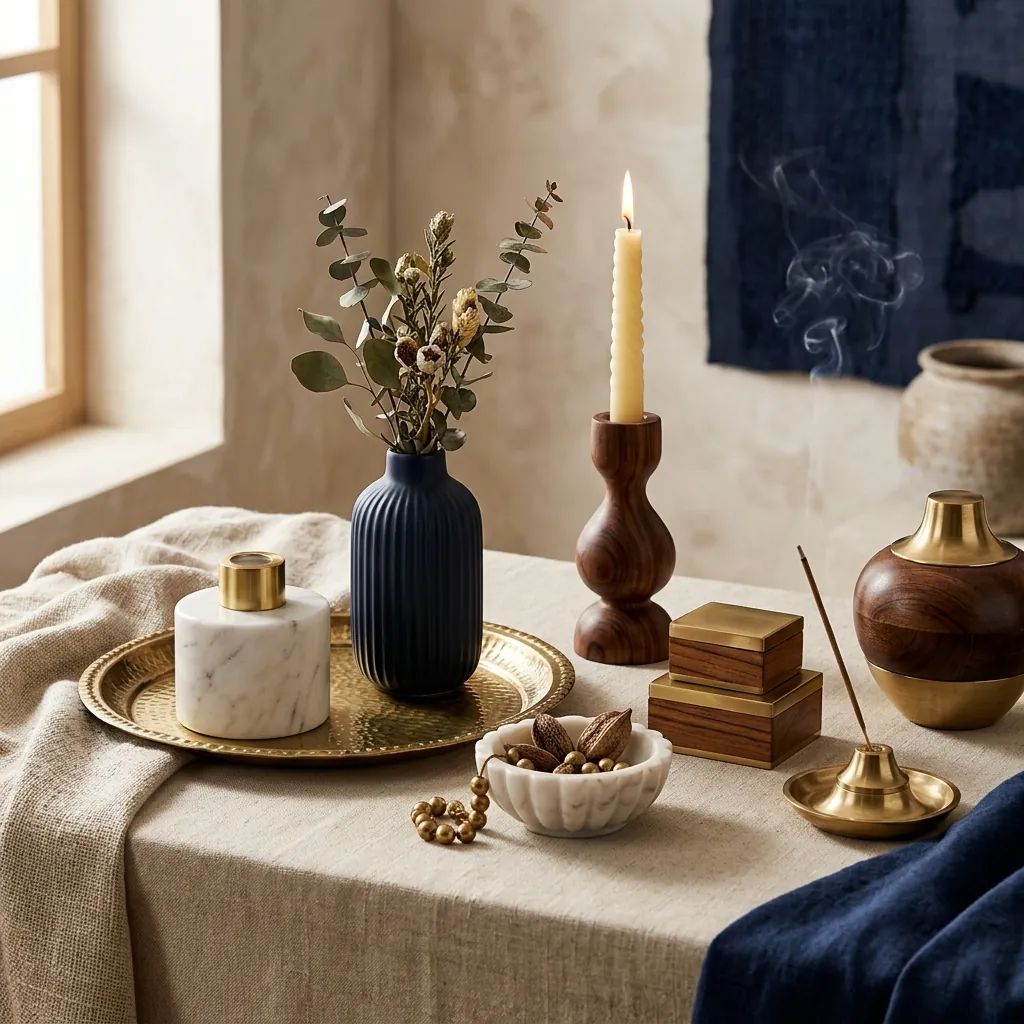
Home & Décor · India sourcing
Candles & Home Fragrance Sourcing from India
Scented, decorative and gift candles developed and sourced through verified Indian manufacturers.
Product range
Candles & Home Fragrance we source
How we work
Factory sourcing, development & quality control
As a buyer-side sourcing partner, we identify and verify the right manufacturing partners for candles & home fragrance, develop the product from your brief or reference, manage sampling to a signed golden sample, and control quality across production, pre-shipment and loading. Packaging is developed alongside the product so goods arrive protected and retail-ready.
- Factory sourcing & supplier verification matched to the product
- Product development, sampling and golden-sample approval
- Quality control at five checkpoints before shipment
- Packaging development and export coordination
Candles: subcategories in detail
Scented jar candles
Glass, ceramic and metal vessels filled with soy, paraffin, coconut or blended wax, with fragrance loads tested for scent throw and safe burning.
Pillar and dinner candles
Unscented and scented pillars, tapers and dinner candles, including dipped and moulded styles for retail and hospitality.
Tealights and votives
High-volume tealights in aluminium or polycarbonate cups and votives for events and hospitality.
Decorative and seasonal candles
Carved, painted, shaped and seasonal candles for gift and festive ranges.
Gift sets
Candle sets with matches, snuffers and boxes for gifting and private label.
Materials and production methods in India
Waxes
Paraffin, soy, rapeseed, coconut and palm-free blends; each needs its own wick and fragrance testing.
Wicks
Cotton, paper-core and wooden wicks sized to vessel diameter and wax type.
Vessels
Glass, ceramic, concrete and metal containers, with lids and labels.
Candle makers melt and blend wax, add fragrance and colour, pour or mould candles, cure them, and then label and pack. Burn testing and fragrance testing in the chosen wax are the core development steps.
Quality control and inspection for candles
- Burn tests for flame height, tunnelling and soot
- Wick centring and length
- Fragrance throw against the approved sample
- Surface finish, frosting and sinkholes
- Vessel heat resistance and cracks
- Warning labels and packaging
International compliance and export
Candle safety
EN 15493, EN 15494 and EN 15426 cover candle safety, labelling and sooting in Europe; ASTM standards are used in the US.
CLP labelling
Scented candles usually need CLP hazard and allergen information in the EU and UK.
Fragrance
Fragrances should have IFRA certificates for candles.
Requirements change and depend on the product and destination, so confirm them with your compliance adviser or customs broker.
Sourcing notes for importers, retailers and brands
Candle quality depends on matching wax, wick, fragrance and vessel, so approve burn-tested samples, not just appearance samples.
Plan for warm transit: wax can soften in hot containers, so packaging and shipping season matter.
Planning your candles order
Start a candle range by choosing the wax and vessel, then select fragrances and wicks to suit them. Changing wax or vessel later usually means repeating burn tests.
Agree the fragrance load and test it. Too much fragrance can cause sooting or poor burning, too little gives weak scent throw. The approved burn-test results should be recorded for each fragrance and vessel size.
Candles are sensitive to heat in transit. Ship in cooler months where possible, avoid long storage in hot containers, and use packaging that protects the surface and prevents vessels from touching.
For retail, plan labels with the required safety pictograms and any CLP hazard information, and check that the label fits the vessel and lid design.
Gift sets combining candles with holders, matches or snuffers should be developed together, so packaging, inserts and the final set weight are confirmed before bulk production.
Private-label candle brands usually need a range of sizes, such as a small travel tin, a standard jar and a large three-wick candle. Each size needs its own wick selection and burn test, so plan development time for the whole size range rather than only the hero product.
Ask how the factory controls fragrance and wax batches. Recording the batch numbers of wax and fragrance used in each production lot makes it much easier to trace and fix any burning issue reported by customers.
Retailers selling in several countries should check that one label meets all their markets, or plan market-specific labels, because warning wording and languages differ.
More buyer questions about candles
Do you burn-test candles?
Yes, samples and bulk are burn-tested for flame, tunnelling and soot.
Can candles be soy-based?
Yes, soy and blended waxes are available.
Do scented candles need special labels?
Yes, CLP and safety warnings are commonly required in Europe.
Buyer FAQs
Common questions
Can you develop private-label candles?
Yes — we develop candles under your brand, from wax and fragrance selection to vessel, wick and packaging.
What candle types can be sourced from India?
Scented, decorative, pillar, jar, tealight and votive candles, plus gift sets and accessories.
How is candle quality controlled?
We check wax and fragrance consistency, burn performance, finish and packaging before shipment.
Source candles & home fragrance from India
Tell us the product. A photo, reference or tech pack is enough to start — we reply within one working day.
Related categories
Submit your product requirements
Submit your candles & home fragrance requirement
Share a photo, reference product or tech pack. We will identify suitable verified manufacturers and explain the next steps — no obligation.
- Phone & WhatsApp
- +91 93684 37527