01
Design
Drawings, clay body, glaze references and use.
Decorative · Pottery, stoneware and ceramics
Khurja in Uttar Pradesh is one of India's best-known pottery and ceramics centres, making glazed tableware, planters and decor. Jaipur is known for blue pottery, and terracotta is made in many regions. Indian studios and factories also produce stoneware with reactive glazes for international homeware brands.
We help homeware retailers, hospitality buyers and decor brands source pottery and ceramics, and manage glaze consistency, breakage and food-contact testing.
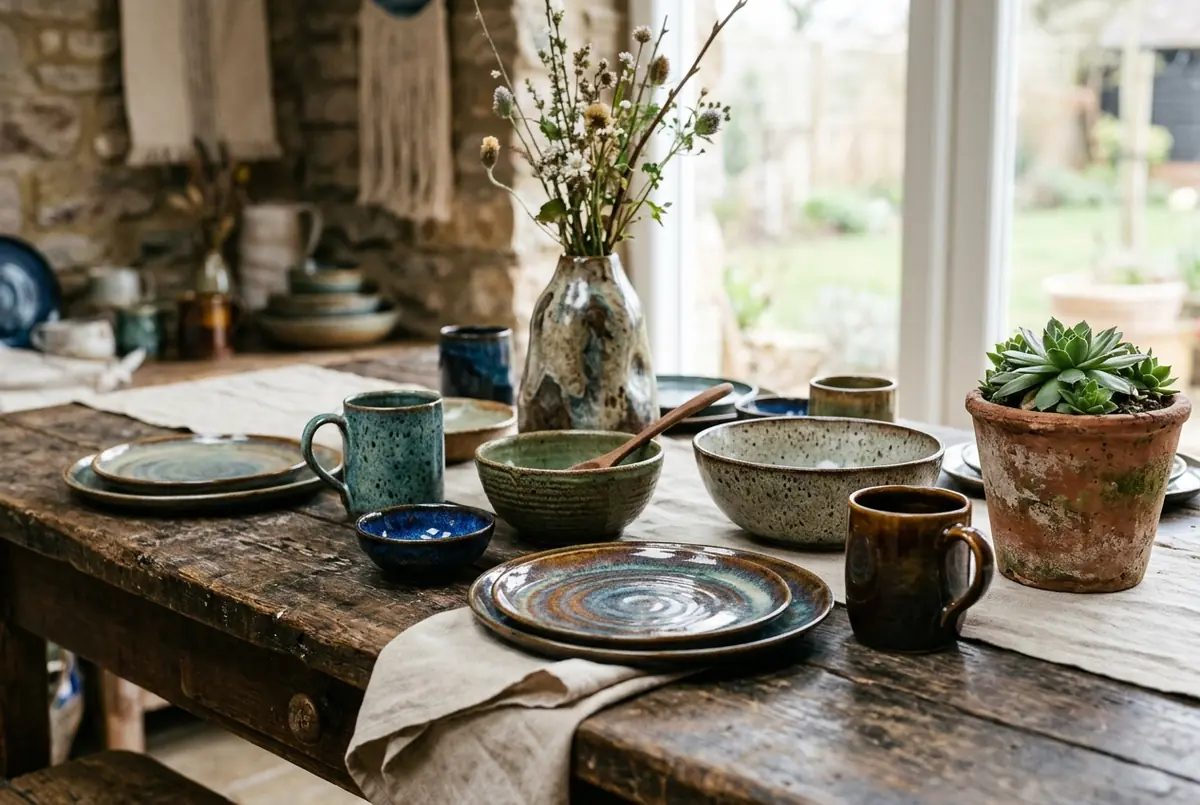
Units throw, jigger, press or slip-cast clay, then bisque-fire, glaze and fire again. Kiln type and firing temperature decide whether a product is earthenware or stoneware, which affects strength, water absorption and use.
Shapes can be developed with moulds for repeat production, and glazes matched to colour references. Backstamps, stickers and packaging can carry your brand.
Drawings, clay body, glaze references and use.
Shape and glaze samples, with glaze variation agreed.
Lead and cadmium release, dishwasher and microwave tests where claimed.
Forming, firing and glazing with in-line checks.
Chips, cracks, glaze defects, stability and packing tests.
Minimums often follow kiln loads and glaze batches. New moulds and glaze development add time before bulk.
Ceramics need dividers, wraps and strong cartons, with drop tests before bulk. Planters may need frost-resistance information for outdoor use.
We are a buyer-side sourcing company. We find and verify independent Indian manufacturers, manage development and production, and inspect goods before shipment. The factory is your supplier of record; we do not own factories or sell from stock.
Stoneware, earthenware, terracotta and some porcelain.
Gloss, matt, reactive, crackle and hand-painted decoration, including blue pottery.
Wheel-throwing, jiggering, pressing and slip-casting.
Khurja is a major ceramics centre, Jaipur is known for blue pottery, and studios across India make stoneware tableware. Pieces are formed, dried, bisque-fired, glazed and glost-fired.
EU Directive 84/500/EEC, FDA guidance and California Proposition 65 limits for lead and cadmium.
Oven, microwave and dishwasher claims need testing.
EPR information for EU and UK packaging.
Requirements change and depend on the product and destination, so confirm them with your compliance adviser or customs broker.
Reactive glazes vary piece to piece; agree an acceptable range with reference sets.
Plan packaging carefully for e-commerce, with dividers and drop tests.
Glaze is the heart of a ceramic range. Develop glazes on the production clay body and fire them in the production kiln, because the same glaze looks different on another clay or in another kiln.
Reactive glazes create unique pieces, which buyers love, but they need an agreed acceptable range and reference sets for inspection. Solid glazes are more consistent and easier to match across reorders.
Plan testing early for tableware: lead and cadmium release, and dishwasher or microwave tests if you will make those claims. Test results should be linked to the glaze batch used in production.
Hospitality buyers should ask about chip resistance and stackability, and test samples in a commercial dishwasher before approving a tableware range.
In Uttar Pradesh, south-east of Delhi.
Yes, within the natural variation of the glaze type.
Glazed and tested terracotta can be; unglazed terracotta is usually for planters and decor.
Khurja is a major ceramics centre, Jaipur is known for blue pottery, and terracotta is made in many regions.
It can be, when glazes and firing are right. We test lead and cadmium release on approved samples and bulk.
Stoneware is fired at higher temperature and is denser and more durable; earthenware is more porous.
No. Reactive glazes vary by nature; we agree an acceptable range with reference pieces.
Submit your product requirements
Share a photo, reference product or tech pack. We will identify suitable verified manufacturers and explain the next steps — no obligation.